
What is the difference between a conical fermenter and a flat bottom fermenter?
1. The Basics
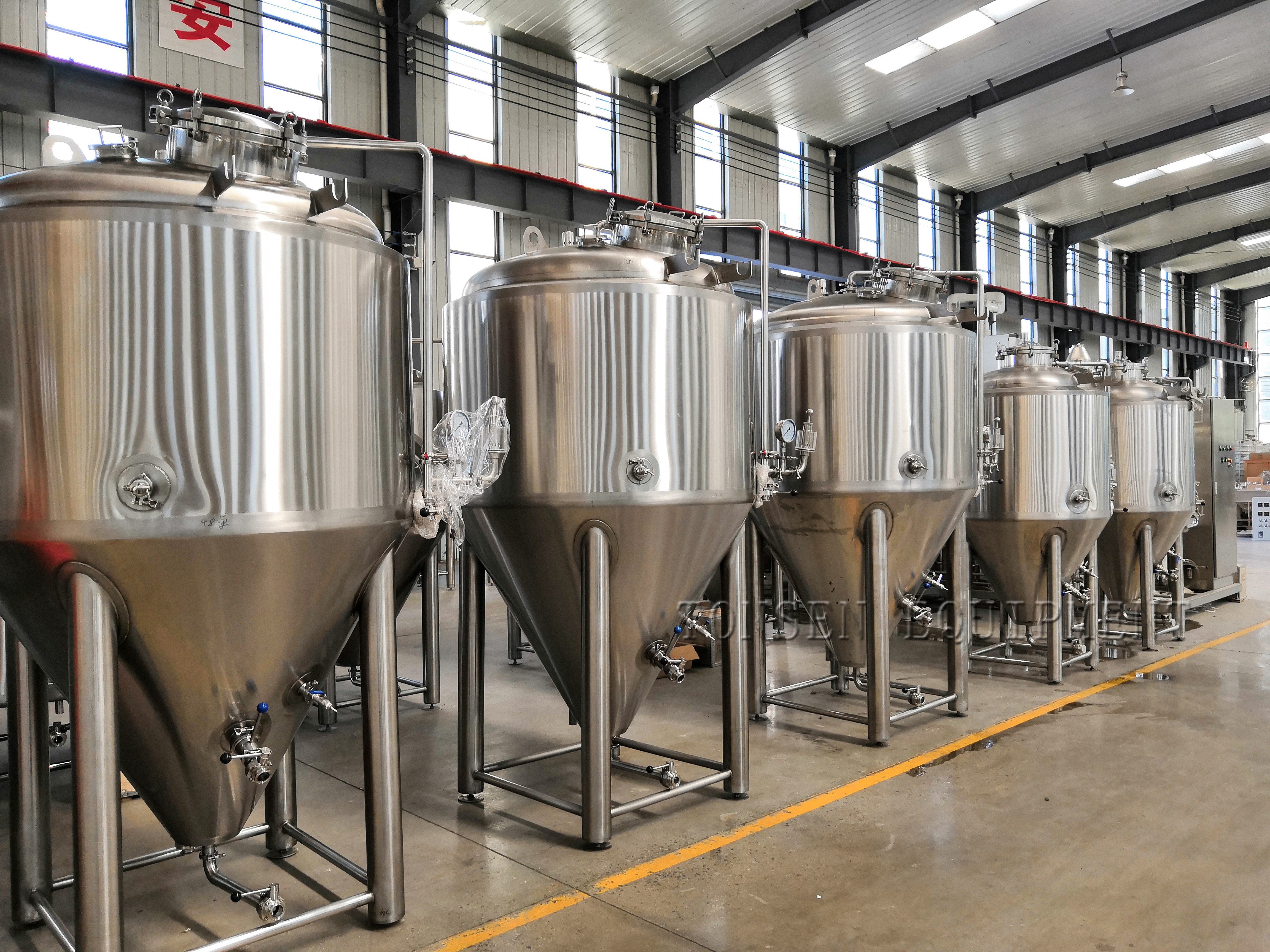
A flat bottom fermenter is typically a cylindrical vessel with a flat bottom. It is simple, affordable, and often used by beginners or small-scale brewers. Conical fermenters have a conical bottom (usually at a 60° angle) that allows sediment and yeast to naturally settle to the bottom, making it easier to remove lees and harvest yeast.
Conical fermenters are widely used in professional fermentation breweries and are key to efficient operation.
2. Sediment Removal Efficiency
One of the most significant advantages of conical fermenters is their excellent sediment separation performance. During fermentation, proteins, hops, and yeast tend to clump together and sink. In a conical beer system, these collect at the tip of the cone and can be drained using a dedicated valve without affecting the quality of the beer.
In contrast, flat-bottom fermenters have sediment that spreads across the bottom of the vessel and is difficult to remove without transferring the beer to another container, increasing the risk of oxidation and contamination.
Brewers using conical fermenter systems like Grainfather or Fermzilla can easily perform multiple fermentations and reuse yeast in the same tank.
3. Cleaning and Maintenance
Speaking of cleaning, flat-bottom fermenters are easier to clean due to their basic design—fewer parts, fewer accessories, and easier maintenance. Conical fermenters are ideal for homebrewers who want a quick clean without having to deal with valves or conical settling tanks.
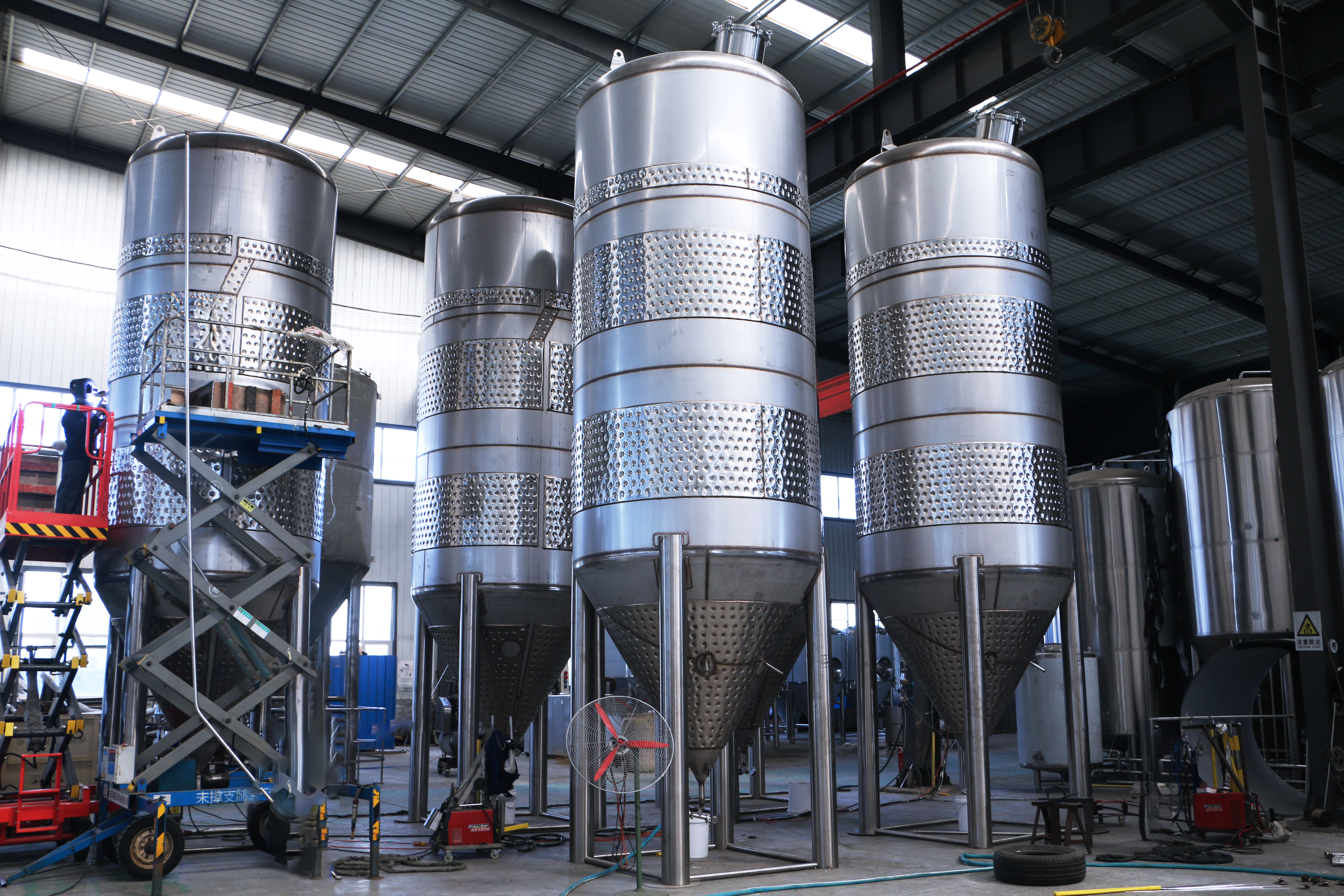
However, conical fermenters, especially stainless steel ones used in commercial units, often include CIP (cleaning-in-place) systems and sanitary fittings that significantly reduce manual labor. These features are critical for any brewery that must maintain strict hygiene standards and streamline operations.
4. Pressure Control and Temperature Regulation
Advanced conical fermenters are often pressure-rated, meaning they can be fermented and conditioned under pressure. This allows for:
Fermenting lagers at higher pressures to suppress off-flavors;
Carbonating beer in the same vessel;
Transferring beer without exposure to oxygen.
Some single-tank fermenters are designed for dual use (fermentation and maturation) and can be operated under pressure. These fermenters are ideal for breweries to scale up or implement more efficient workflows.
By contrast, flat-bottom fermenters often lack pressure resistance. While they may come with airlocks for fermentation, they don’t support carbonation or closed transfers.
For digital fermentation tracking, brewers now rely on smart sensors like the RAPT Pill to monitor gravity and temperature. Yes, as digital brewing goes mainstream, questions like “Will the RAPT Pill stop and start fermentation?” are becoming more common.
5. Choose based on brewing scale and goals
Beginner or homebrewer: Start with a flat-bottom fermenter. It’s affordable and easy to use.
Intermediate homebrewers or small-batch brewers: Consider an affordable conical fermenter like the Fermzilla for improved lees separation.
Commercial brewers or scaled homebrewers: Invest in a single-tank fermenter or stainless steel conical fermenter with full automation.
In short, if you’re focused on maximizing quality, repeatability, and production scale, conical fermenters are the smart choice.
6. Material & Durability
Flat-bottom fermenters are typically made of plastic or glass. They’re lightweight and inexpensive, but they’re prone to scratches and stains over time.
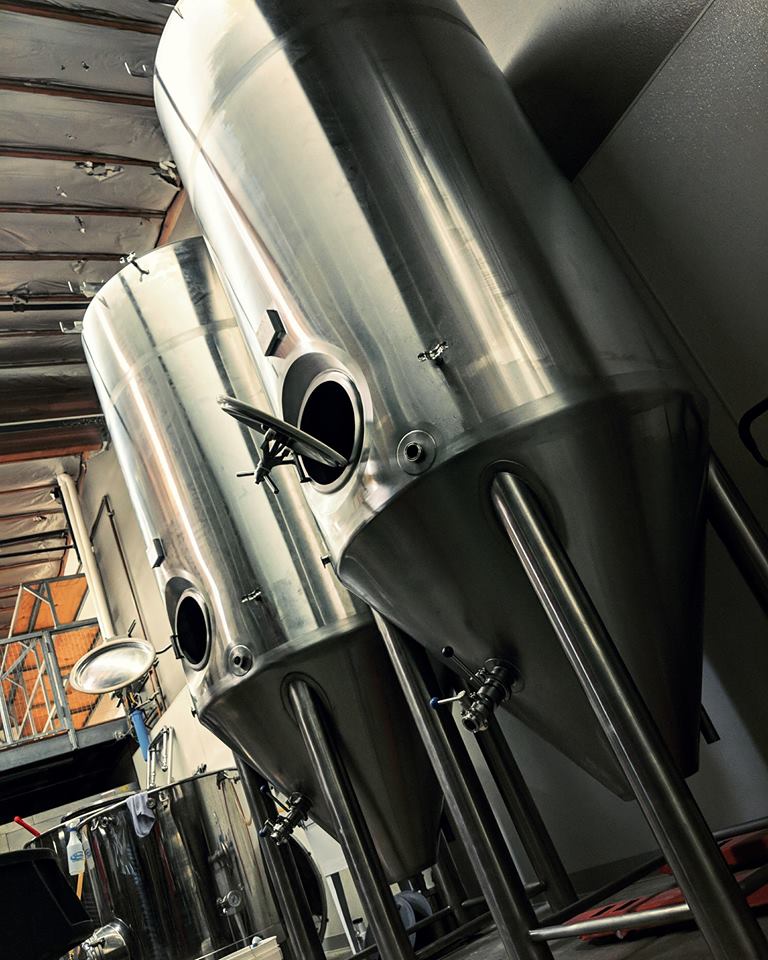
Conical fermenters, especially stainless steel models, offer the following benefits:
More durable, more wear-resistant,
Easier to clean,
Longer life,
Won’t absorb flavors from previous batches.
Brewers who choose a system like the Catalyst Brewing Conical Fermenter or the Grainfather Conical Fermenter are investing in the longevity and professional-grade performance of their equipment.
7. Analysis & Comparison
Let’s break down the key differences:
1. Price
Flat-bottom fermenters are typically more affordable. Conical fermenters, especially those made of pressure-resistant stainless steel, are more expensive due to their greater functionality and durability.
2. Sediment handling
Conical fermenters can effectively remove sediment through a bottom valve. Flat-bottom designs require siphoning, which increases the risk of contamination.
3. Convenient use method
Flat-bottom fermenters are simpler, have fewer parts, and are easier to operate. Conical fermenters require more attention, but the results are better.
4. Reusability
Conical systems allow yeast to be reused, saving costs and supporting stable batches. Flat-bottom fermenters are less suitable for this.
5. Pressure resistance
Only conical fermenters support pressurized fermentation, carbonation, and closed transfer. Flat-bottom fermenters are limited in this regard.
6. Scalability
For commercial production or cultivation companies, conical fermenters have better scalability in terms of automation and tank management.
Conclusion
While both fermenter types can produce excellent beer, conical fermenters are the only choice for anyone who values fermentation control, yeast management, and quality assurance. Whether you’re investing in a single tank fermenter, building a fermenter brewery, or trying catalyst brewing at home, upgrading to a conical design is worth considering.
Fermzilla Conical Fermenters, Grainfather Conical Fermenters, or Beer Cones are feature-rich systems that help homebrewers and professionals improve beer consistency, hygiene, and yield.
Ready to upgrade your brewing equipment?
Looking for durable, efficient, and scalable alcohol fermenters?
Contact us today for expert guidance and a quote on your ideal conical fermenter system.