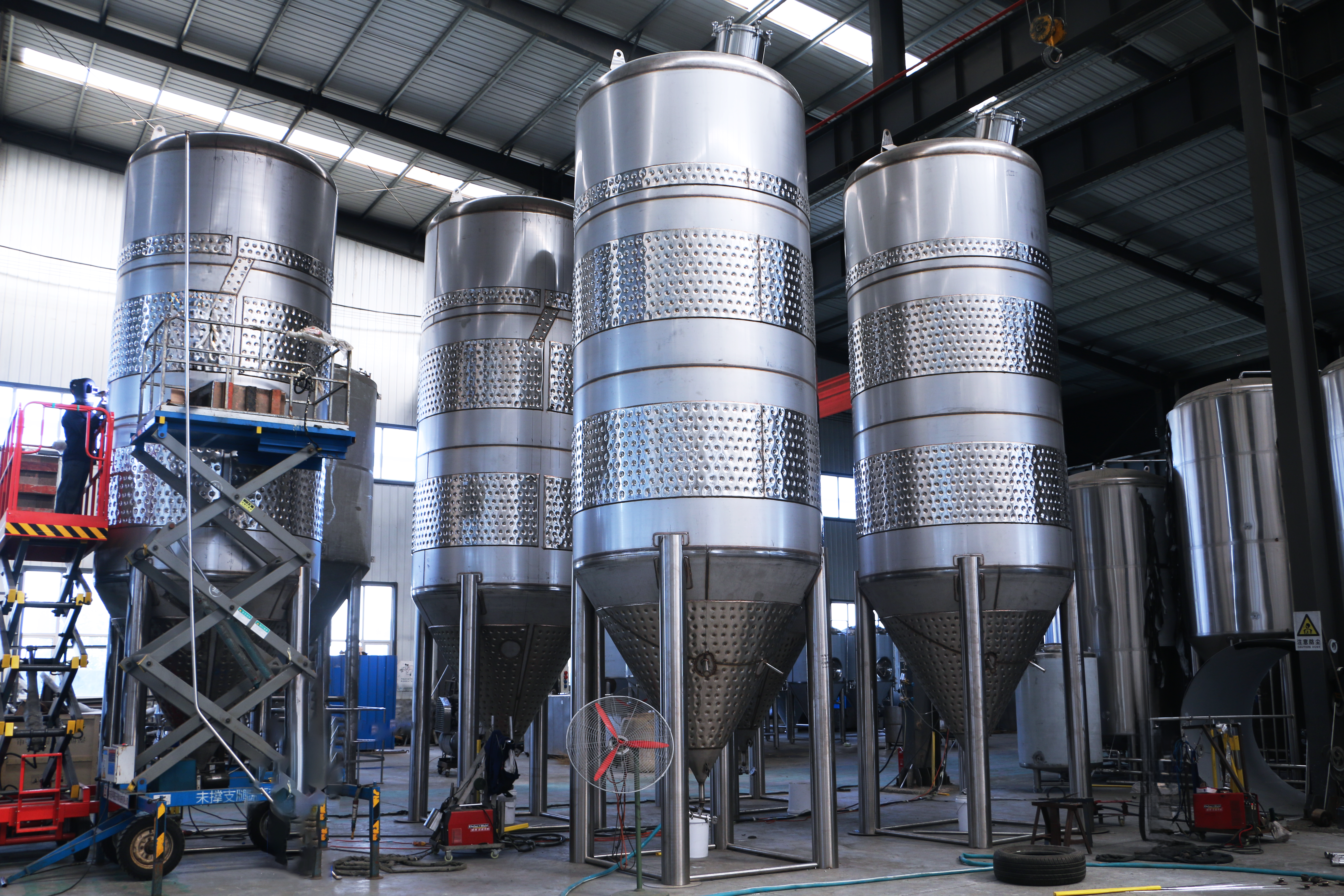

What is a pressure fermenter? A complete
analysis of the key equipment in the new era of brewing
1. What is a pressure fermenter?
With the rise of the brewing market, terms such as pressure fermenters have also become well known to the public. So what
is a pressure fermenter? A pressure fermenter is a special container that can be fermented in a sealed, controllable air
pressure environment. It is often made of stainless steel and has a pressure regulating valve, pressure gauge and safety device.
It is suitable for the production of beer, wine, kombucha, sparkling drinks and other products.
Unlike traditional open Fermentation boxes or glass fermenters, pressure fermenters can retain CO₂ during the fermentation
process, achieve natural carbonation, and effectively avoid oxidation and pollution. Therefore, it has become the preferred
Fermentation machines for many professional brewers and advanced home users.
2. Comparison between pressure fermenters and traditional
fermentation equipment
Common fermentation containers in the brewing field include glass fermenters, plastic brown fermenters and basic
fermentation boxes. These containers are suitable for basic Home fermentation, but they have obvious shortcomings in terms
of sealing, air pressure control, and flavor retention. In particular, the glass fermentation bottles are far inferior to the
stainless steel series fermentation tanks in terms of brewing process, steps and preservation. Pressure fermentation tanks are
excellent in sealing, which can effectively prevent air from entering the fermentation system and reduce the risk of oxidation;
traditional fermentation equipment is weak in this regard and is easily affected by the outside world. In terms of flavor
retention, pressure fermentation tanks can lock in aroma substances and enhance the taste complexity of beer or kombucha;
while glass fermenters and brown fermenters are more likely to lose flavor due to volatilization. In addition, pressure
fermentation tanks support natural carbonation, while traditional containers require additional processes for secondary
filling or adding sugar for carbonation.
Although pressure fermentation tanks are slightly more complicated to clean and maintain (often requiring a CIP system),
their advantages far exceed those of traditional equipment in terms of overall brewing quality.
3. Analysis of the core structure and function of pressure
fermentation tanks
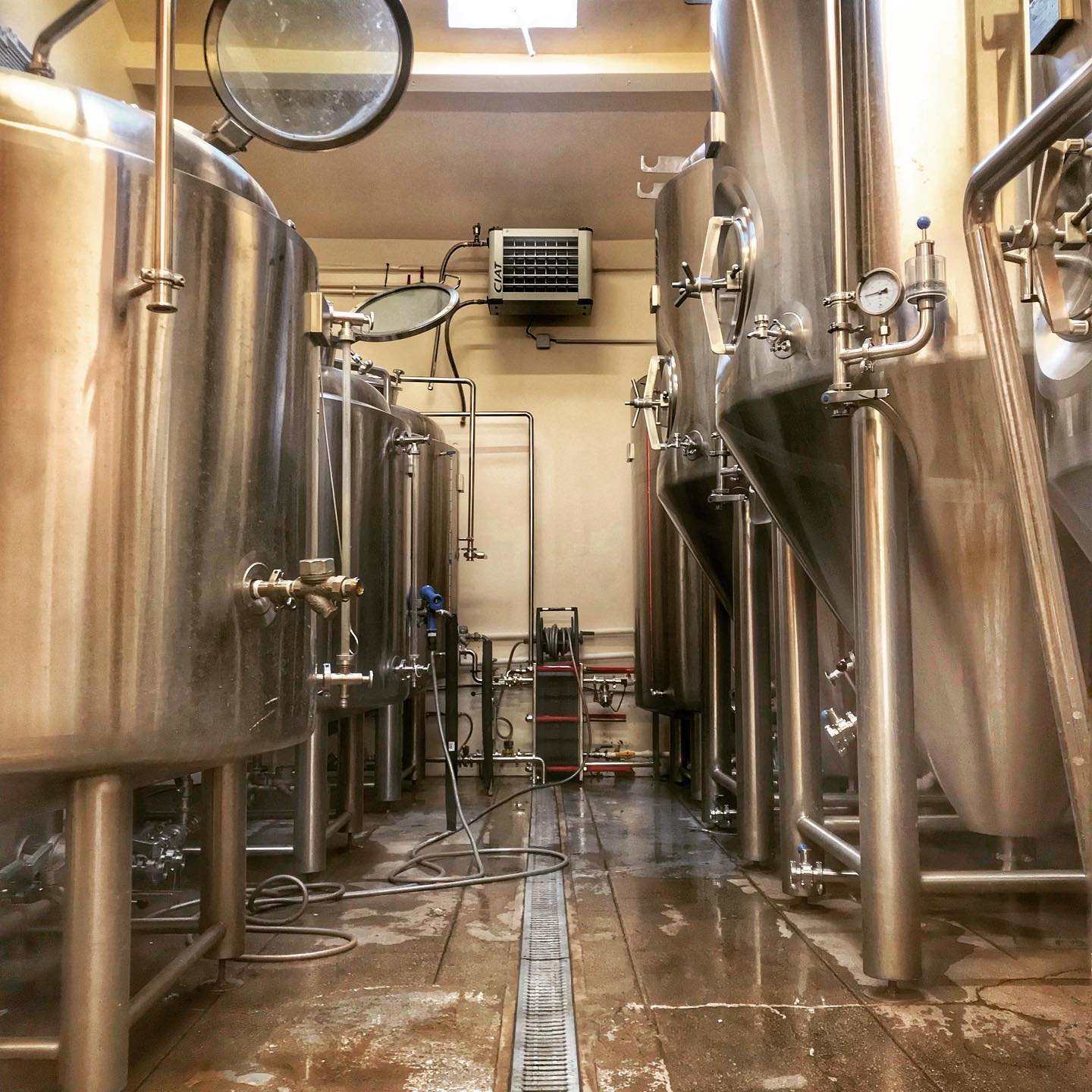
A standard pressure fermentation tank usually contains the following key components:
Food grade stainless steel tank body: made of 304 or 316L material to ensure hygiene, safety and pressure resistance;
Pressure gauge and pressure relief valve: used to monitor and adjust the air pressure in the tank in real time to avoid
overpressure;
Sampling valve and transfer valve: convenient for sampling or transfer between tanks in a sealed state;
Cooling jacket or temperature control system interface: with cooling device, the fermentation temperature can be accurately
controlled;
CIP cleaning port and spray ball device: with the automatic cleaning system of fermentation equipment (Fermentation
equipment), improve the hygiene standard.
4. People who are suitable for using pressure fermentation tanks
1. Commercial craft brewery
In order to improve product stability and consistency, small and medium-sized craft breweries have widely adopted pressure
fermentation tanks to replace traditional beer fermenters, especially in flavor-sensitive products such as American IPA and
German lager.
2. Advanced home brewers
As home fermentation becomes more and more popular, many home users have achieved the transformation from "amateur"
to "professional" by purchasing the pressure fermentation system in the Best fermentation kits.
3. Kombucha and sparkling beverage producers
Pressure tanks can help retain bubbles and flavors, and are ideal fermentation machines for Kombucha production.
4. Wine micro-brewery projects
In the case of Napa fermentation supplies, many boutique wineries have introduced fermentation tanks with pressure control
to enhance flavor complexity and control capabilities.
5. Why are more and more people choosing pressure fermentation tanks?
Richer flavor performance
Pressure fermentation tanks can retain aroma molecules in a closed environment, making the product flavor more intense,
especially suitable for aromatic beer and craft drinks.
Support natural carbonation
Maintaining CO₂ during the secondary fermentation process without additional gasification greatly simplifies the production
process.Effectively reduce oxidation and pollution The closed system greatly reduces the possibility of air ingress, improving
hygiene and shelf life.Improve fermentation efficiency and controllability The fermentation rhythm can be adjusted
according to the pressure and temperature control strategy, shortening the fermentation time or extending the maturation cycle.
6. What should you pay attention to when purchasing a pressure
fermentation tank?
Capacity matching: Choose a suitable tank according to the daily output, such as 25L, 100L or 500L;
Whether it supports expansion: whether it is compatible with the cooling system, CO₂ device, etc.;
Is it a set: Some Best fermentation kits include components such as thermostats, pressure relief valves, and pressure
regulation systems, which are suitable for beginners;
Material selection: Stainless steel equipment is preferred, which is far better than plastic or glass containers;
Brand and after-sales guarantee: High-quality Fermentation equipment manufacturers usually provide global delivery and
technical support.
7. Customer success cases
Case 1: Chilean home brewer upgrades to pressure fermentation system
Juan, a Chilean customer who originally used Glass fermenters, significantly improved the flavor of his products after using
a set of 40L pressure fermenters. His Pale Ale won the gold medal at a local small wine exhibition and successfully reached
a supply cooperation with a restaurant. Later, continue to purchase a full set of 5000L brewing equipment from tonsen to
further expand your market.
Case 2: German small craft brewery replaces Brown fermenters
A small brewery in Berlin originally used traditional brown plastic fermenters, and later accepted the latest solution proposed
by tonsen. The original equipment was upgraded to a 3000L stainless steel pressure fermentation tank system. After the
equipment was replaced, the consistency of the wine body was improved and the batch scrap rate dropped by more than 70%.
8. Global market demand trend for pressure fermenters
According to recent Google Ads and SEO data analysis, keywords such as "Fermentation equipment", "Best fermentation kits
", and "Beer fermenters" have maintained steady growth in search popularity and advertising conversion.
Especially in countries with active craft beer markets such as North America, Germany, Brazil and South Africa, although
"Glass fermenters" and "Brown fermenters" are frequently searched, actual purchase conversions are more inclined to
pressure fermentation systems with professional performance.
9. Summary: Should you also upgrade to a pressure fermenter?
Whether you are a hobbyist who has just stepped into the world of brewing, or you are running a microbrewery, the pressure
fermentation tank is an important step towards efficient, safe and stable brewing. Globally, it is rapidly replacing
old-fashioned fermentation vessels and becoming the core equipment in the best brewing practices.
If you are looking for a reliable, durable and scalable fermentation solution, you might as well start from the standards of
tonsen fermentation supplies and choose a set of professional Fermentation machines to achieve the leap from home
fermentation to commercial craft brewing. tonsen company escorts your brewing business.