

The Complete Guide to Beer Brewing Equipment, from Homebrew Supplies to Industrial Systems
Introduction: Why Brewing Equipment Matters
Beer is one of the oldest and most beloved beverages in the world, but behind every pint of golden liquid lies a combination of science, craftsmanship, and the right equipment. Whether you are a hobbyist experimenting in your kitchen or a professional brewer managing a commercial brewery, the quality and type of brewing equipment you use will directly impact the taste, consistency, and efficiency of your beer.
This complete guide explores beer brewing equipment at every level—from homebrew supplies and beer making kits to commercial brewery equipment and industrial systems. By the end, you’ll understand how to choose the right setup for your needs, where to buy it, and what factors to consider before investing.
Homebrew Supplies: The Starting Point for Every Brewer
Many brewers start their journey with homebrew supplies, which allow beginners to test recipes and learn the basics of fermentation. A basic home brew beer kit usually includes:
A fermenter (often plastic or glass)
Sanitizers and cleaning materials
A hydrometer for measuring sugar content
Basic brewing ingredients like malt extract, hops, and yeast
These home brewing kits make the process less intimidating for beginners and provide everything needed to make the first successful batch. Companies that specialize in home beer brewing equipment also offer refills and upgrades, allowing hobbyists to improve their process without immediately jumping to commercial-scale setups.
Beer Making Kits vs. Beer Making Equipment
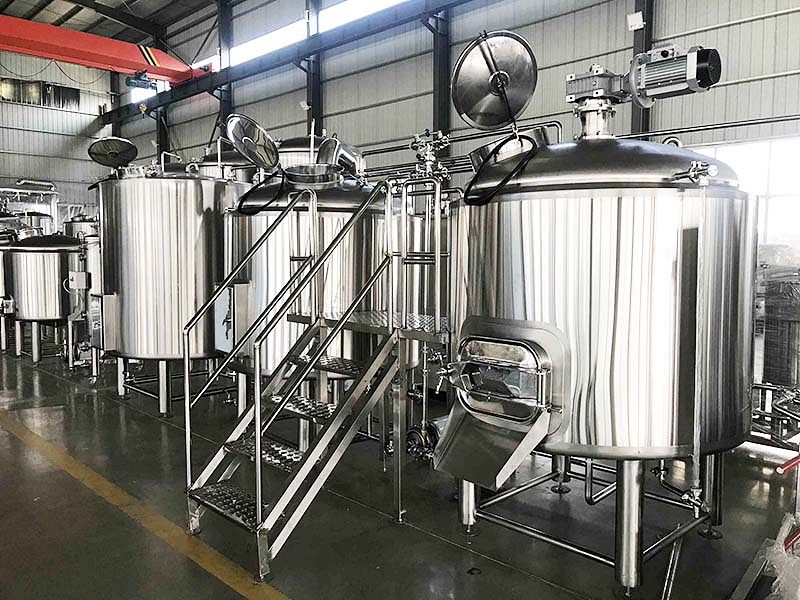
The difference between a beer making kit and beer making equipment lies in scale and customization. While a kit provides a standardized way to brew, equipment purchases are modular. For example, a brewer might start with a kit but later buy a dedicated home brew fermenter, stainless steel kettles, and specialized cooling systems.
For those passionate about crafting unique beers, this upgrade path ensures flexibility while still keeping costs manageable. Kits are great for beginners, but beer making equipment for sale is the next step for serious hobbyists.
Transitioning from Hobby to Microbrewery
When brewing at home becomes more than a hobby, many brewers consider opening a microbrewery. At this stage, micro brewery equipment for sale becomes an important search term.
Microbrewery setups typically include:
Larger stainless steel fermenters
Mash tuns and lauter tuns for efficient extraction
Glycol cooling systems for temperature control
Kegging and bottling equipment
A home microbrewery system allows enthusiasts to scale up production without immediately investing in a full industrial brewery setup. Breweries of this size often focus on craft beer, seasonal recipes, or experimental brewing that appeals to niche markets.
Commercial Brewery Equipment: Scaling for Success
For entrepreneurs aiming to run a profitable operation, commercial brewery equipment is essential. Unlike small-scale systems, commercial setups must handle large volumes consistently while maintaining strict hygiene and efficiency standards.
Key components include:
Beer brewery equipment like mash tuns, fermenters, and conditioning tanks
High-capacity boilers and pumps
Packaging lines for cans and bottles
Automated control systems for monitoring every stage of production
Commercial breweries also need to consider space planning, installation requirements, and compliance with food and beverage safety regulations. Investing in brewery equipment for sale from reliable suppliers ensures durability and long-term return on investment.
Industrial Brewery Equipment: Large-Scale Brewing Power
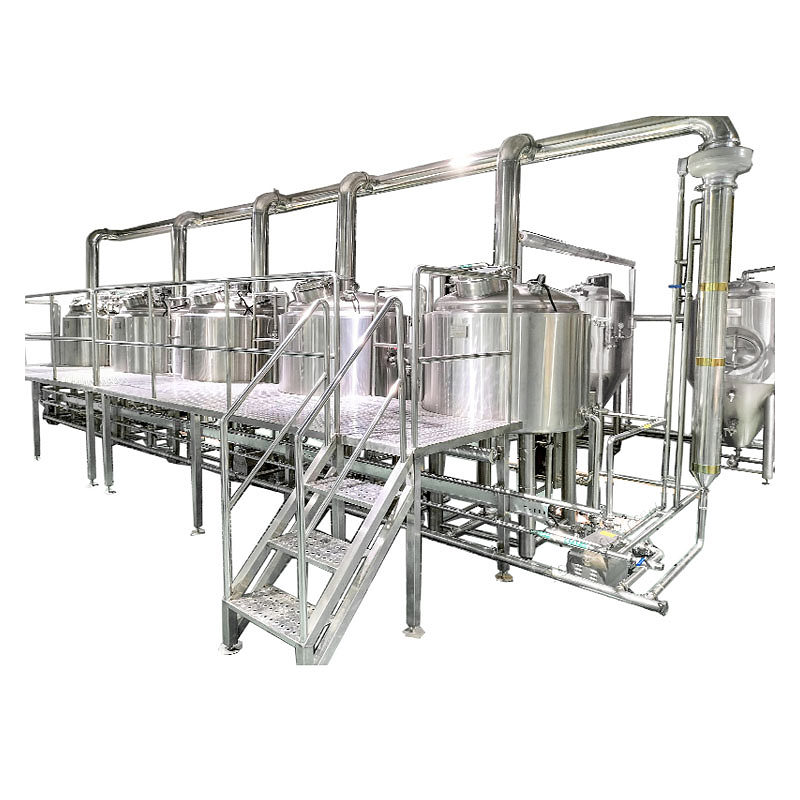
When production volumes reach tens of thousands of liters per batch, industrial brewery equipment becomes a necessity. This level of equipment is highly automated and often customized for efficiency.
Industrial setups include:
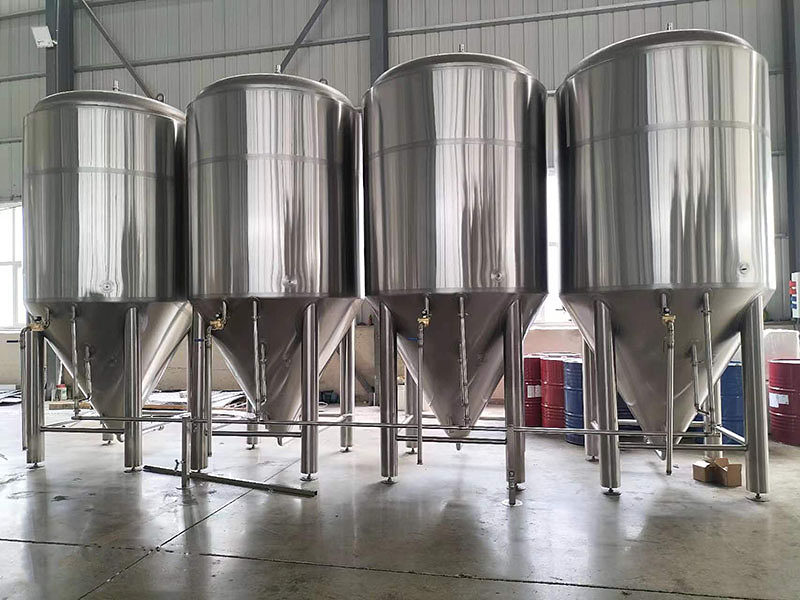
Large conical fermenters made of stainless steel
Advanced filtration and pasteurization units
High-speed bottling and canning lines
Digital monitoring systems for precision brewing
Breweries at this scale work closely with brewery equipment manufacturers to design systems tailored to their production goals. Industrial breweries prioritize consistency, automation, and energy efficiency.
The Role of Brewery Equipment Manufacturers and Suppliers
Choosing the right brewery equipment manufacturers and brewery equipment suppliers is just as important as choosing the equipment itself. Reliable suppliers provide:
Warranty and service support
Installation and training assistance
Customization options for unique recipes or production needs
Global suppliers often cater to large breweries, while local brewer equipment companies may focus on small to mid-size systems. In both cases, reputation, experience, and after-sales support are critical.
The Market for Used Brewery Equipment
Not every brewer has the budget for brand-new equipment. For startups or expanding microbreweries, used brewery equipment for sale provides a cost-effective alternative.
However, there are trade-offs:
Pros: Lower cost, immediate availability, sustainability benefits
Cons: Shorter lifespan, potential hidden maintenance costs, limited warranty
If buying used, it’s best to work with trusted dealers who can provide equipment photos, maintenance records, and technical details before purchase.
Craft Brewery Equipment for Sale: Finding the Middle Ground
Between homebrew systems and industrial setups lies the thriving world of craft brewery equipment for sale. This category caters to independent breweries that focus on creativity, small-batch quality, and unique flavors.
Craft breweries often invest in:
Mid-sized fermenters
Flexible brewing vessels for experimenting with recipes
Kegging systems tailored for local distribution
Taproom-compatible serving tanks
For many aspiring brewers, craft brewing represents the sweet spot—professional-grade equipment without the overwhelming complexity of industrial setups.
Beer Brewing Accessories and Supportive Equipment
No brewery setup is complete without accessories that make the brewing process more efficient. Essential beer brewing accessories include:
Wort chillers for quick cooling
Measuring devices and thermometers
Cleaning and sanitizing equipment
Kegs, bottles, and growlers for packaging
These smaller items often make the difference between an average brewing experience and a highly efficient one.
Factors to Consider Before Buying Brewing Equipment
Whether purchasing beer brewing equipment for sale or exploring industrial brewery systems, buyers should consider:
Budget and scalability
Space and infrastructure requirements
Maintenance and spare parts availability
Supplier reputation and support services
Brewing equipment is a long-term investment, and choosing wisely ensures better beer and sustainable business growth.
Conclusion: Brewing Equipment as the Foundation of Success
From homebrew supplies and beginner-friendly beer making kits to large-scale industrial brewery equipment, the path of brewing is shaped by the equipment you choose. The right setup not only influences the quality of the beer but also determines how efficiently you can produce, package, and distribute it.
Whether you are a hobbyist experimenting with a home beer brewing kit or an entrepreneur investing in commercial brewery equipment, your journey starts with informed decisions. Explore your options, compare suppliers, and always prioritize quality.