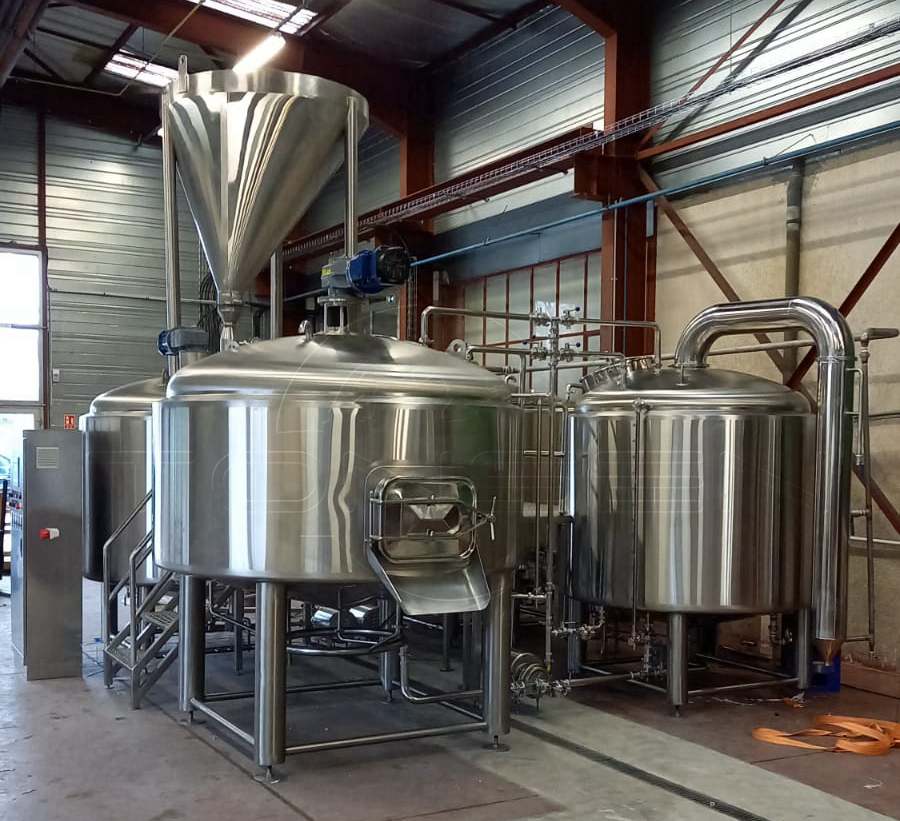

[Equipment Revolution in the Craft Beer Era: Decoding the Rules of Modern Beer Brewing Equipment Configuration]
——A full-dimensional guide from consumer trends to production practices
I. Beer: Liquid Witness of Millennium Civilization
(I) Amber Marks in the Long River of Civilization
In the history of human civilization, the history of beer brewing can be traced back to the Mesopotamian Plain in 6000 BC. The Code of Hammurabi discovered by archaeology already contains regulations on beer trading, and the ancient Chinese "Qimin Yaoshu" records in detail the process of brewing wine by the method of "蘖法". This carbohydrate-rich liquid is not only a by-product of agricultural civilization, but also the earliest bioengineering technology practice of mankind.
(II) Multi-dimensional Value Map of Contemporary Society
Social Currency Attributes: Craft beer bars are replacing traditional teahouses as the third space for young people. According to data from the American Brewers Association, 76% of consumers regard craft beer tasting as an important social activity.
New health cognition: A 2023 study by the Technical University of Munich confirmed that moderate drinking of lager (≤500ml per day) can reduce the risk of cardiovascular disease by 23%, and xanthohumol in hops has anti-inflammatory and antioxidant properties.
Personalized consumption trend: Nielsen report shows that 82% of Generation Z consumers are willing to pay a premium for customized flavors, and the microbrewery model has an annual growth rate of 17% in North America.
(III) Brewing revolution in industrial transformation
The global craft brewing equipment market is expected to exceed US$4.8 billion in 2025, and the penetration rate of intelligent brewing systems will increase by 300% in three years. From garage workshops to smart factories, equipment innovation is reshaping the entire industrial chain.
2. Brewing equipment selection: system engineering under industrial thinking
(I) Four-dimensional model of equipment selection
Production scale baseline
Nanoscale (<1HL): modular combination system, BRENNAN customized type is recommended
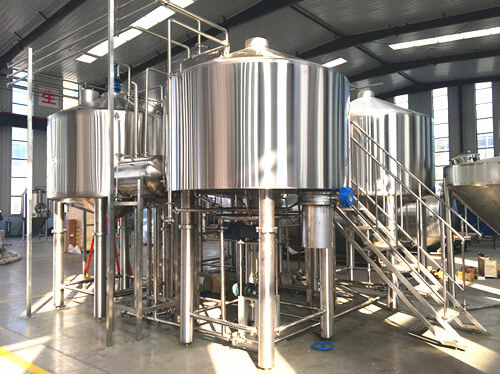
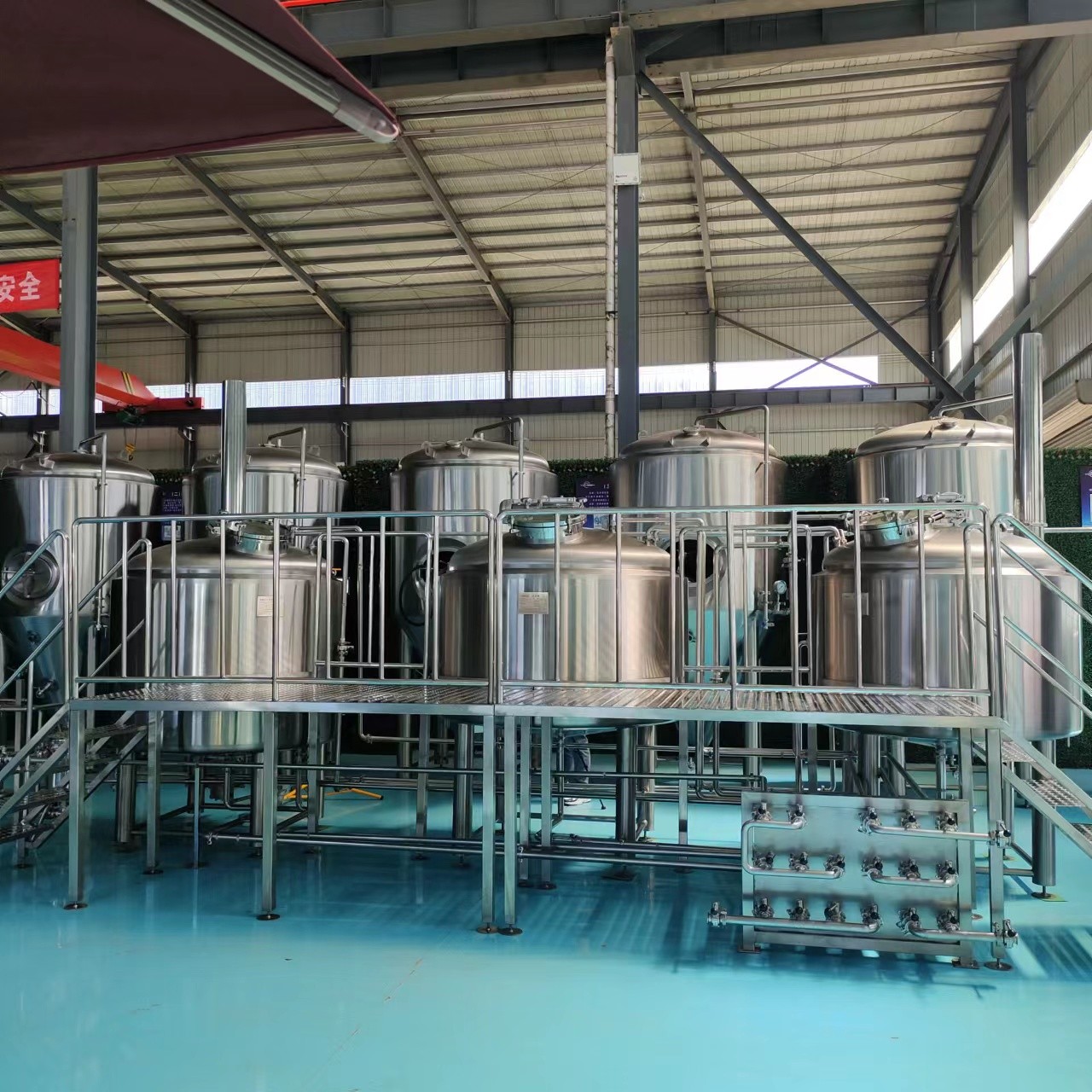
Microscale (1-5HL): four-in-one intelligent brewing tower
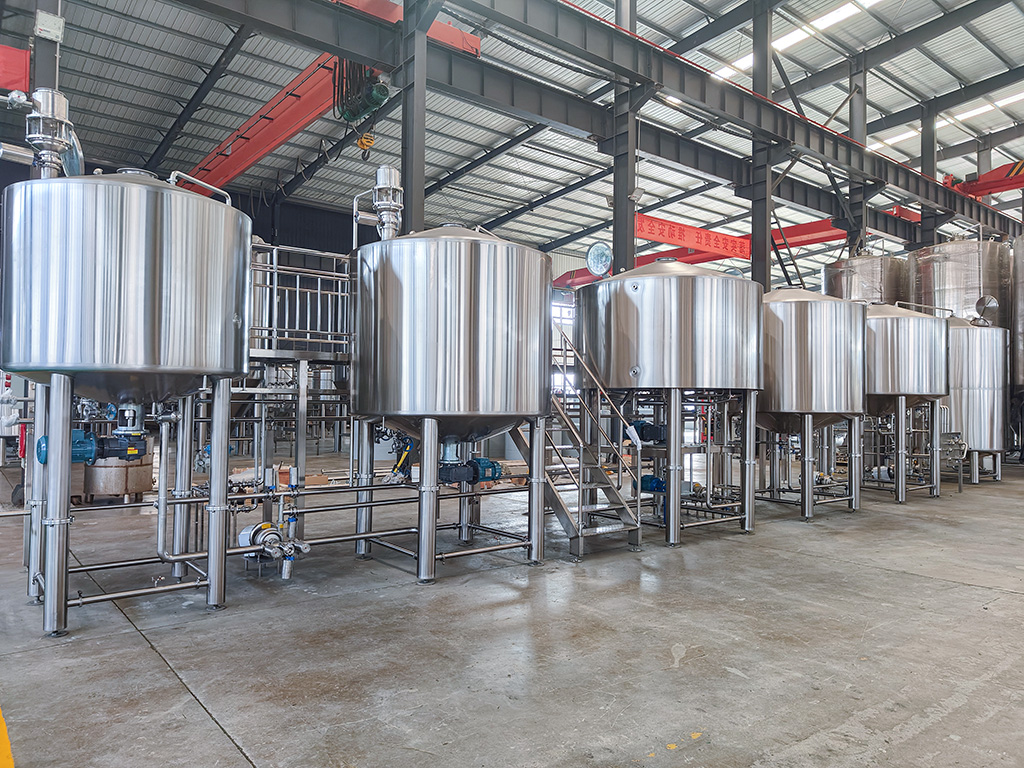
Medium-sized (5-20HL): distributed temperature-controlled fermentation matrix
Industrial (>20HL): continuous saccharification center + fermentation cluster
Material process standards
Inner wall treatment: electrolytic polishing must reach Ra≤0.5μm
Welding standards: follow ASME BPE 3-A sanitary specifications
Sealing system: triple silicone ring + quick-release clamp design
Energy efficiency ratio
Comparative tests show that the boiling system with heat recovery can save 38% energy, and the variable frequency mixing unit reduces power consumption by 25%. It is recommended to give priority to equipment with HTST instantaneous heating module.
Expandable design
Reserve 20% capacity redundancy, the interface complies with DIN11851 standard, and the control cabinet must support OPC UA communication protocol.
(II) Key system configuration guide
Saccharification center
Preferably choose a three-step discharge filter tank equipped with an automatic tillage system, and recommend a saccharification efficiency of ≥78%
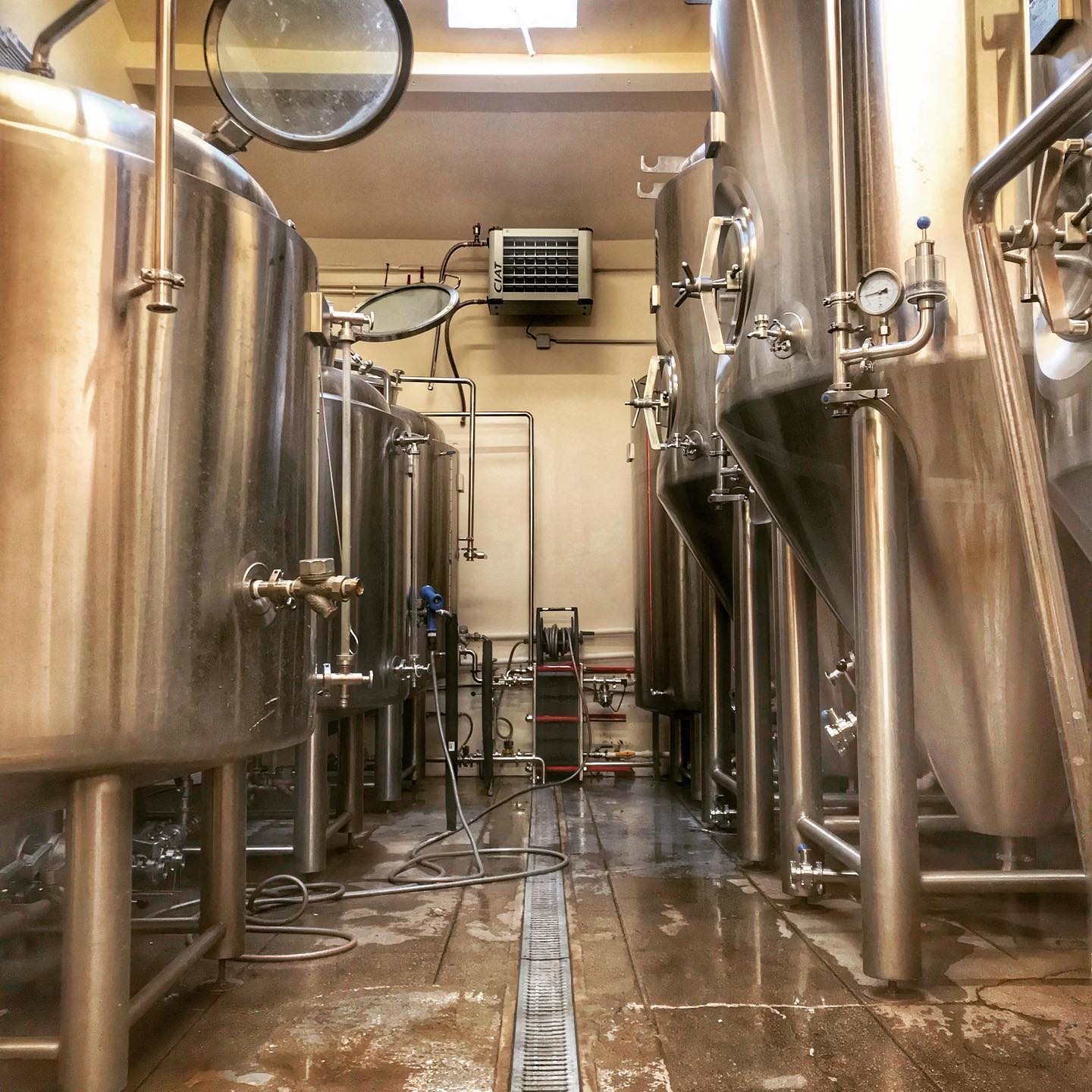
Temperature control matrix
The independent temperature control accuracy of each partition must reach ±0.3℃, and a plate exchange refrigerant circulation system is recommended
CIP system
Five-step cleaning procedure (pre-flushing-alkali washing-acid washing-disinfection-final flushing), the flow rate should ensure that the pipeline flow rate is ≥1.5m/s
(III) Intelligent evolution path
Basic level: PLC+HMI local control
Advanced level: SCADA data acquisition system
Expert level: AIoT brewing brain (such as Braumat 7.0 system)
III. Holographic planning of production space
(I) Three-dimensional layout rules
Vertical dimension: U-shaped three-layer architecture
Upper layer: raw material processing + crushing system
Middle layer: saccharification and boiling core area
Lower layer: fermentation and maturation unit
Plane dimension: golden triangle layout
The distance from saccharification center to fermentation tank is ≤8m, and the width of logistics channel is ≥1.2 times the equipment diameter
(II) Energy topology network
Steam system: hierarchical utilization (saccharification → CIP→preheating)
Refrigeration network: partitioned closed-loop design, cooling loss rate controlled within 12%
Power configuration: independent brewing line, recommended load margin 30%
(III) Ergonomic optimization
Operation height: valve centerline 1.2-1.5m from the ground
Inspection path: one-way ring design, no cross-return
Safety spacing: equipment channel ≥800mm, emergency exit response time <30s
(IV) Scalability architecture design
Reserve growth space: reserve in increments of 20% of annual production capacity
Modular expansion: container-type fermentation unit
Digital twin pre-embedded: reserve equipment interface data in the BIM model
Conclusion: In the era of craft beer 3.0, equipment has evolved from a production tool to a value creator. A craft beer brand has achieved a 40% reduction in energy consumption, an increase in product consistency to 98.7%, and a shortened investment return period to 18 months by implementing the solution in this article. When every valve flows with data and every device carries wisdom, this is the most beautiful foam in the modern brewing industry.