
How to brew better beer
I. Key technologies for brewing better beer
1. Optimizing the fermentation process
In beer brewing, the fermentation process determines the flavor, aroma and foam structure of the beer. The use of high-precision fermentation equipment can monitor temperature, pressure and carbon dioxide release in real time to ensure optimal yeast activity. At the same time, choosing a suitable fermentation vessel, such as glass or stainless steel, can avoid impurities from penetrating and improve the purity of beer.
2. Commercial production system
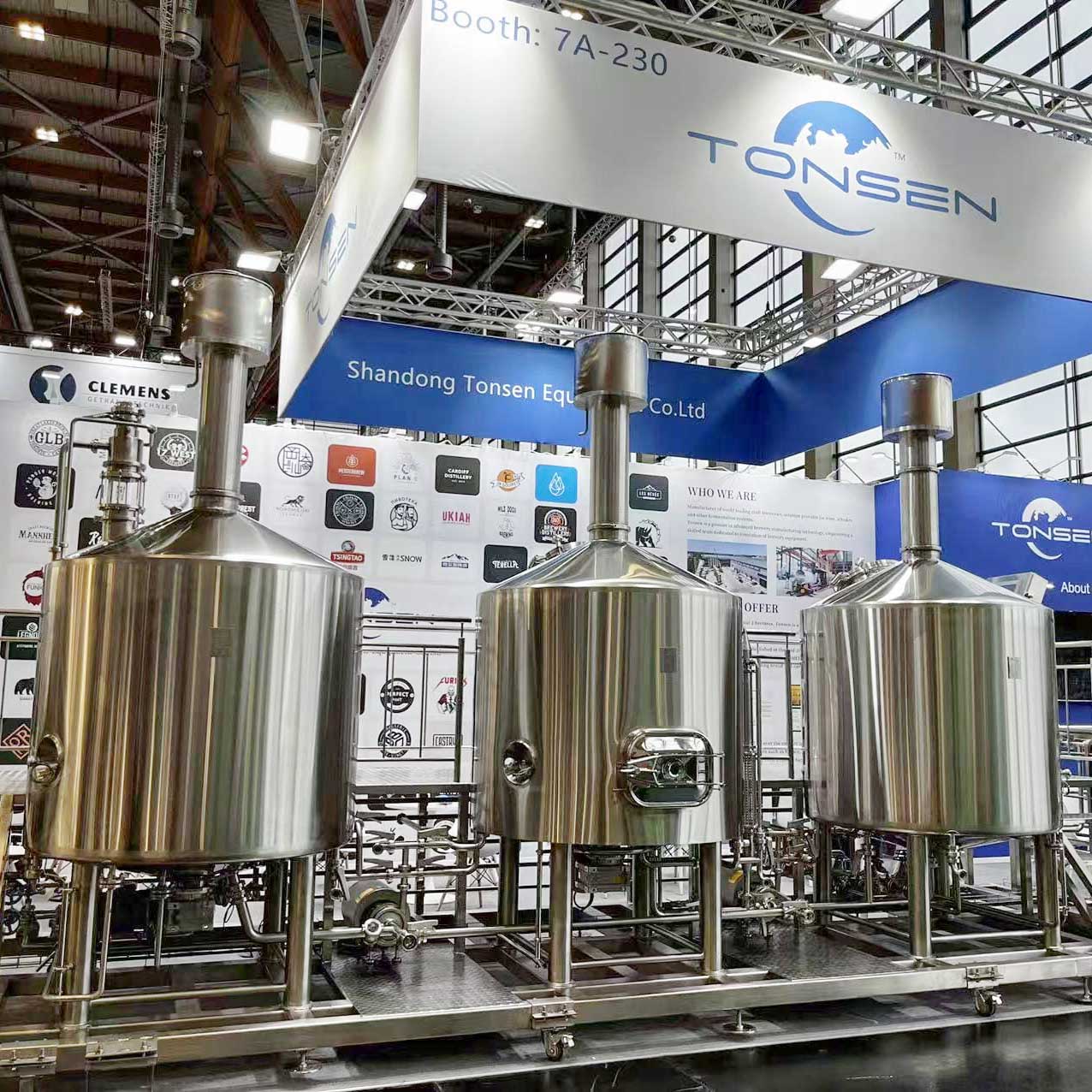
For medium and large factories, the commercial brewing system is an integrated solution that covers processes such as crushing, saccharification, filtration, boiling, fermentation and packaging. The configuration of commercial brewing systems of different sizes varies greatly, and can be flexibly selected according to production capacity requirements.
At the same time, high-quality best brewing equipment suppliers can provide customized services to meet the needs of process upgrades and automated expansion.
II. Detailed explanation of core fermentation equipment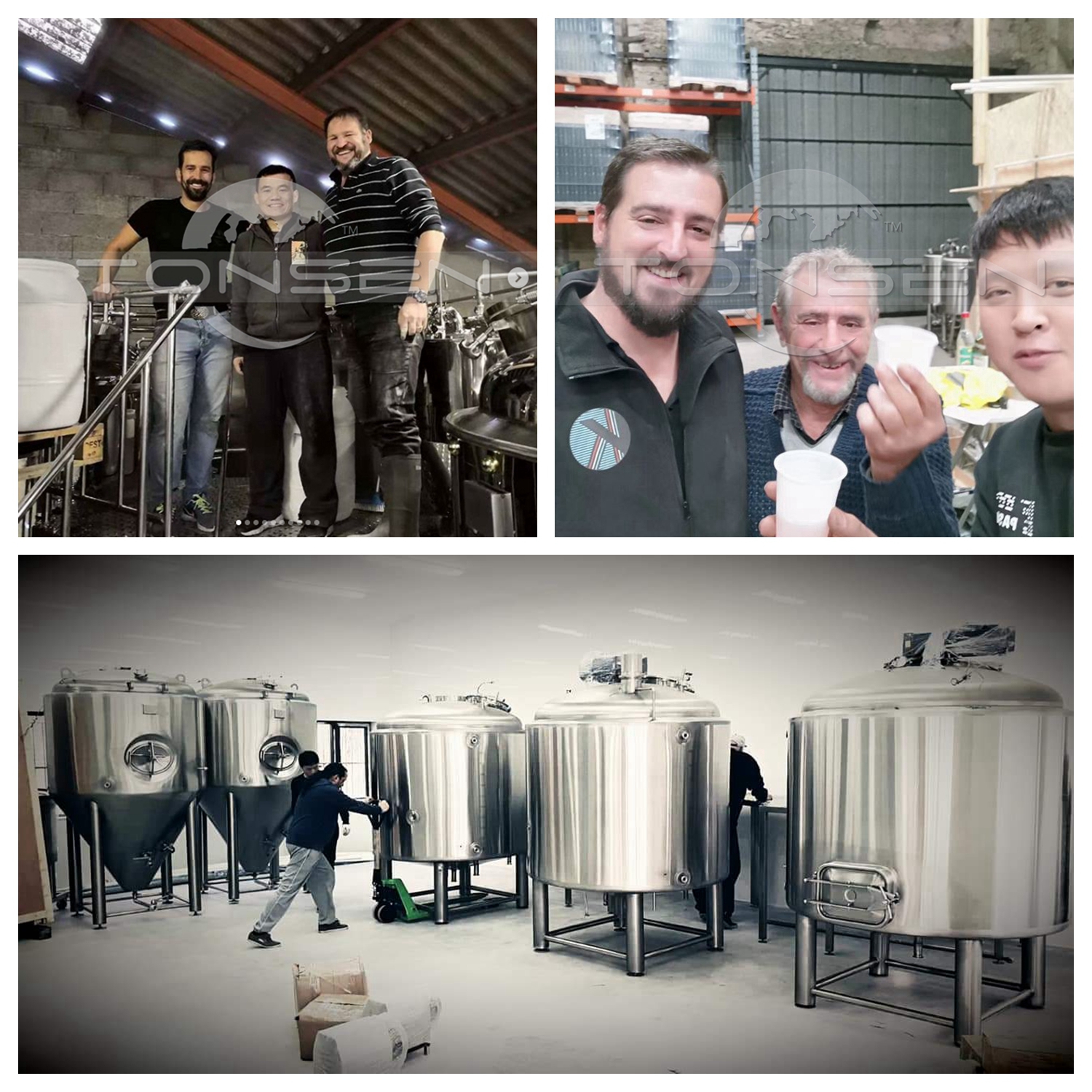
1. Stainless steel pressure fermenter
Stainless steel pressure fermenter has become the first choice of modern breweries due to its corrosion resistance, easy cleaning and high strength. Using the pressure tank design, carbonization can be directly performed after fermentation is completed, shortening the production cycle and improving efficiency.
2. Conical fermenter
The best conical fermenter is easy to separate yeast and sediment at the end of fermentation due to its conical bottom structure, reducing the loss and contamination risk in the filtration process. Well-known models on the market such as FermZilla and Catalyst have received good reviews.
3. Unitank fermenter
Unitank fermenter integrates fermentation, carbonization and storage, suitable for small and medium-sized craft breweries. The equipment can complete carbonation within 24 hours and achieve aseptic transfer through various quick-install interfaces, taking into account convenience and efficiency.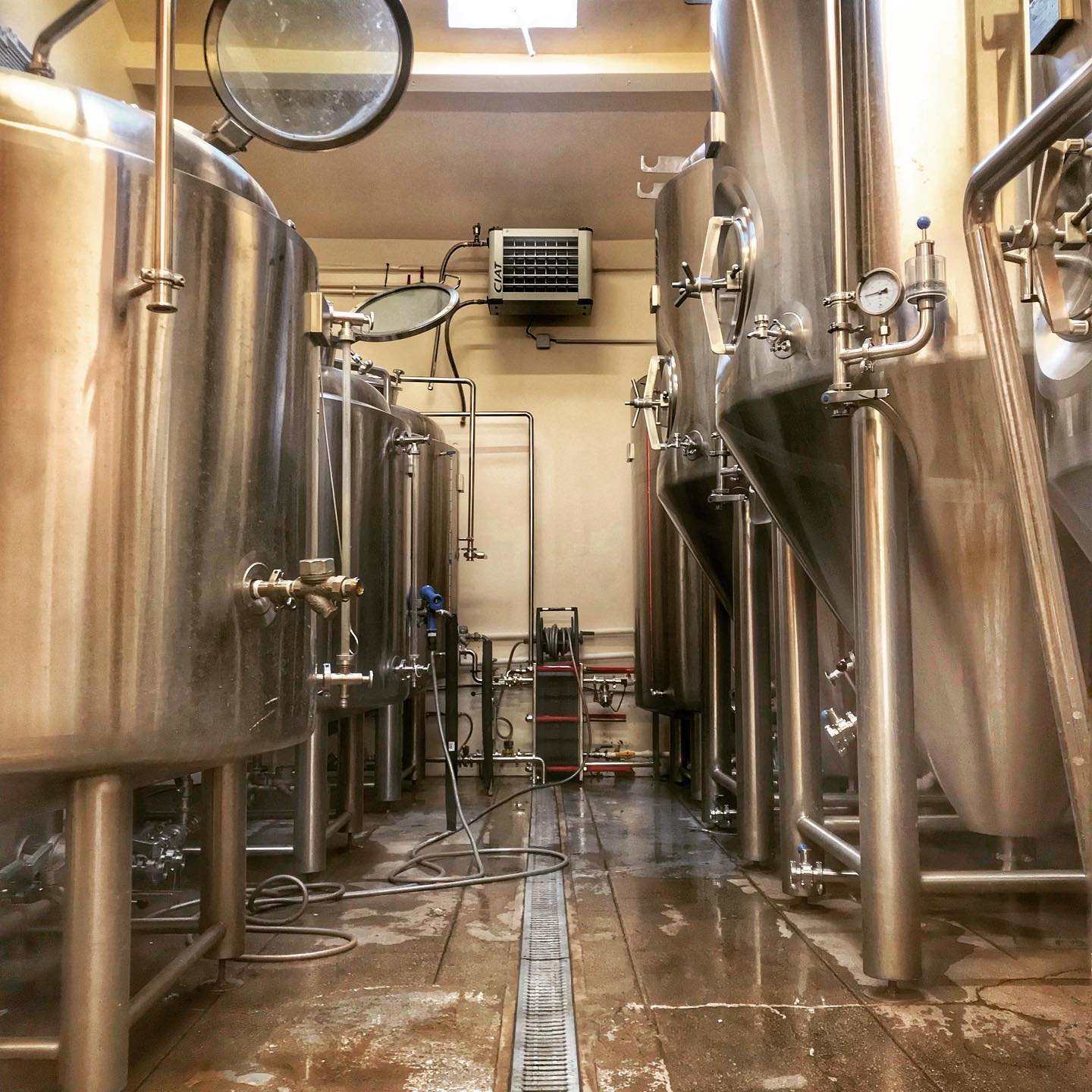
3. Cost and investment analysis
1. Equipment cost
According to market research, the brewery equipment cost of small and medium-sized craft breweries ranges from hundreds of thousands of dollars to millions of dollars, mainly depending on the scale of the equipment, the degree of automation and the brand premium.
For example, a small system of 5HL to 20HL has a total investment of about 100,000 to 500,000 US dollars, while a large commercial system may cost more than 1 million US dollars. 2. Equipment procurement channels
In terms of brewery equipment for sale, online platforms such as BrewBids and GW Kent provide auctions and direct sales of new and second-hand equipment, providing entrepreneurs with more cost-effective options.
At the same time, traditional exhibitions and professional supplier catalogs are also important procurement channels.
4. Main suppliers and market structure
1. Leading enterprises
In the international market, brewing equipment companies represented by DME Brewing Solutions, Ss Brewtech, Brau Supply, etc. have deep technical accumulation and brand influence in the field of brewery equipment design and manufacturing
2. Local newcomers
Tonsen is a typical representative in China. It not only provides various types of fermentation equipment and brewery equipment, but also has full-process service capabilities from system integration to maintenance training. Tonsen can not only meet beer production, but also customize commercial brewing systems and red wine brewing lines to help customers diversify their development.
3.Case focus: tonsen company
As a company focusing on the research and development and manufacturing of brewing equipment, tonsen company has a complete production base and a professional team. Its main products include stainless steel pressure fermenter, best conical fermenter, unitank fermenter and other series, which not only serve dozens of well-known breweries across the country, but also are exported to European and American markets. With flexible customization solutions and strict quality control, Tonsen has reduced the cost of brewery equipment while ensuring the efficient and stable operation of the equipment.
Conclusion
In the global craft brewing wave, brewing better beer is inseparable from advanced equipment and scientific processes. Only by reasonably selecting fermentation equipment, optimizing commercial brewing systems, and combining cost control with supply chain integration can brewers stand out in the fierce competition. In the future, with the continuous iteration of technology and market diversification, the in-depth cooperation between equipment suppliers and brewing brands will become a key force to promote industry upgrading.