
How small can a brewery be built?
A guide to building a small craft brewery
1. What counts as a "brewery"? The definition can be flexible
Traditionally, a brewery is usually a large-scale production facility with an annual output of more than 10,000 tons, equipped
with multiple fermentation tanks, canning lines and refrigeration systems. However, with the development of the times and
the advancement of technology, in the modern craft brewing wave, a small workshop with an annual output of 500L can also
be called a "brewery."
The scale of a brewery does not necessarily have to be large, but it must meet three basic conditions:
Independent brewing system (even a home craft beer brewing kit)
Clear product process and hygiene standards
Production license that complies with local regulations
In fact, from using a desktop beer brewing machine for home to installing a complete set of professional beer making
equipment, a small brewery can adapt to a variety of spaces and budgets and the budget will not be very high, and it can also
bring some profits.
2. How small can the smallest brewery be? Look at these extreme cases
In our research, we found that many very small but well-functioning breweries have appeared around the world:
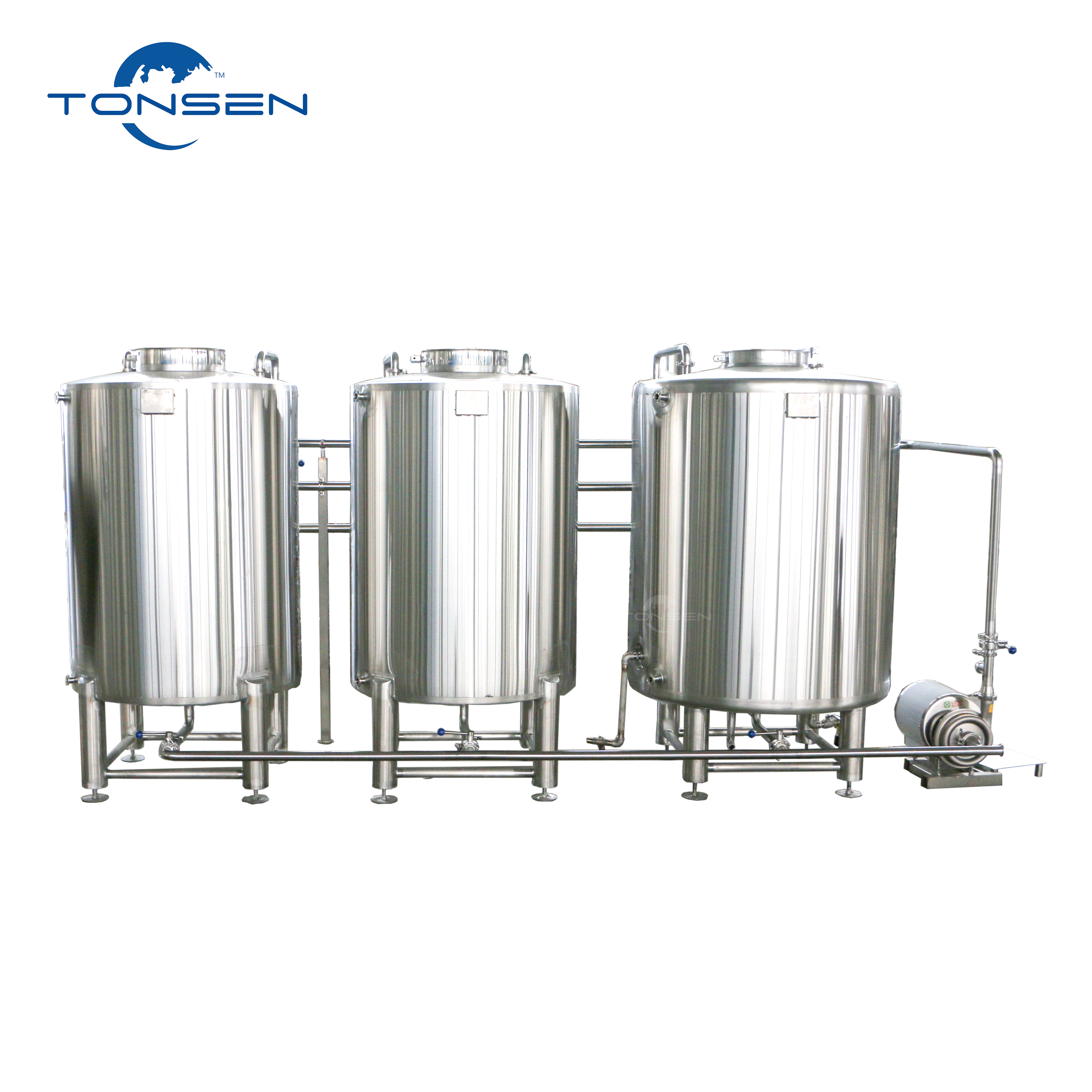
A couple installed a 50-liter fermentation system in their RV, which can produce two batches of beer per month for camping
activities; this 50L equipment was purchased from tonsen and is very convenient to use because tosen provides complete
operating instructions.
A Japanese cafe installed a mini saccharification tank and a small cooler behind the operating table, using standard beer
making equipment stainless steel materials to create an exclusive menu; it increased the cafe's attendance rate and also
attracted some customers who checked in.
Some entrepreneurs in the United States used garage space to build small breweries and purchased "micro brewery equipment
for sale" projects to start low-cost trial operations.
These cases show that as long as the space planning is reasonable and the equipment selection is appropriate, you can build
a "brewery" in a space of less than 10 square meters.
3. What equipment do you need to build a micro brewery?
Equipment is the core of a small brewery. Even if you don't pursue high automation, you should ensure that the brewing
process is complete. Only complete processes and equipment can brew good beer. Tonsen Company has listed a typical small
brewery equipment list for everyone:
Saccharification pot/cooking pot: used to convert maltose into sugar.
Fermentation tank: It is recommended to use food-grade stainless steel for easy cleaning and temperature control.
Cooling system: ensure that the fermentation temperature is controlled in the ideal range.
Packaging equipment: such as bottlers, cappers, small filling machines, etc.
Cleaning and CIP equipment: keep the brewing process hygienic and compliant.
You can choose a complete set of equipment for making beer, or you can purchase components from multiple suppliers in
batches and assemble them in combination with beer brewing equipment installation parts supply services.
Starters can consider looking for "craft brewery equipment for sale" or second-hand equipment platforms to reduce starting
costs. Moreover, beer equipment now has a long service life and good safety. If funds are insufficient, second-hand
equipment can also achieve the purpose of first-hand equipment, while also reducing the budget.
4. Site requirements: How small a place can brew?
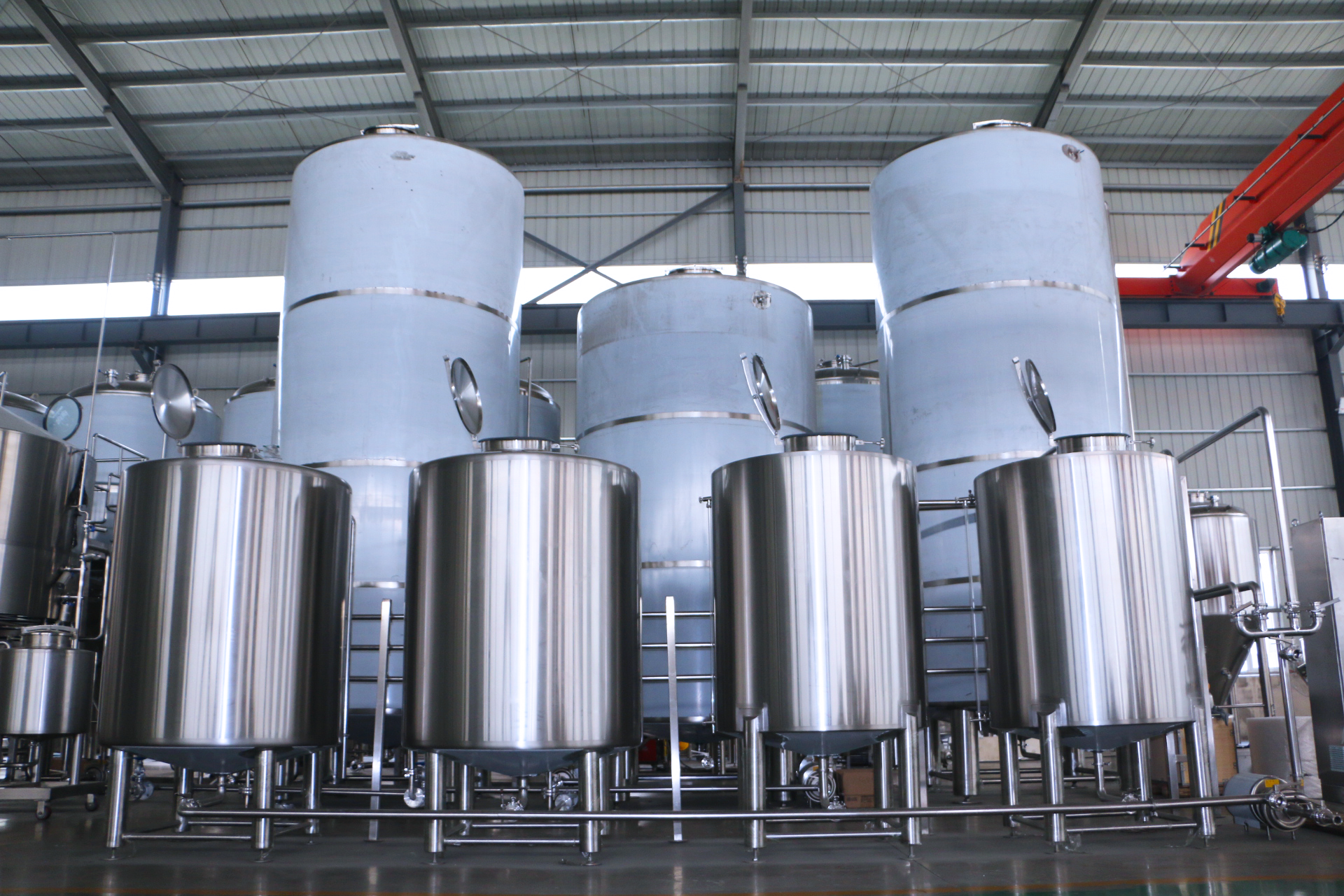
A standard small brewing space can be very compact and does not require a large space to complete. Taking a system with an
annual output of about 1000L as an example, the recommended site area is: Brewing operation area: 10-20 square meters
Packaging area: 5-10 square meters Storage and refrigeration area: about 10 square meters (can be replaced by cold storage
or refrigerator) A total of only 30-40 square meters is needed to build a fully functional micro-brewery. If you are in the city
center or an area with expensive rent, you can consider renting a shared brewing space, or using the workshop model
combined with e-commerce channels to maximize space utilization.
5. How to start your brewery? It is not that complicated from
conception to licensing.
Many people don’t know how to start the brewing journey. In fact, from 0 to 1 is not as complicated as you think. Tonsen has
listed a simplified version of the "how to open up a brewery" process reference for us: Planning goals and budgets Make it
clear whether you want to open an experiential brewery, a brand trial workshop, or just do mass production. Choose
equipment and suppliers Find the "professional beer making equipment" or "beer making machine for home" that suits you.
Find a site and apply for a permit
Different countries/cities have different health, fire and registration regulations for food and beverage facilities. It is very
important to communicate with local industrial and commercial and food regulatory departments in advance.
Find "beer making supplies near me"
Including raw materials, bottle caps, label paper, etc. Some suppliers can provide one-stop services from formula to brand
design.
Installation and debugging, start trial brewing
It is not recommended to directly mass produce in the early stage, and 3-5 small batches can be tested first.
Brand online, sales
It can be launched through multiple channels such as bar cooperation, e-commerce platforms, and self-media marketing.
6. who is a small brewery suitable for? These scenarios cannot be ignored
You may ask: What groups and business models are suitable for a mini brewery?
Tavern owner: create customized flavors for your own store to increase added value;
Coffee shop owner: use a "simple machine brewing company" style small system to enrich the night menu;
Catering entrepreneur: turn brewing into interactive content or traffic entrance;
Craft beer enthusiasts: have a long-term interest in brewing and hope to sell products legally;
Brands/distributors: no longer rely on OEM after having the ability to develop their own products.
No matter what kind of person you are, a small brewery opens up the possibility of "productivity upgrade" for you.
7. Recommendation of small equipment: kits, units and systemized products
Entry-level users can start with home craft beer brewing kits and learn while playing;
Commercial users are advised to start with the configuration of beer making equipment stainless steel material;
Users with a certain foundation can search for the keywords "micro brewery equipment for sale" or "craft brewery equipment
for sale" to find equipment that supports automatic temperature control and batch fermentation;
When you are not sure how to configure the equipment, it is recommended to ask the supplier whether it includes "beer
brewing equipment installation parts supply" support.
8. Conclusion: Small does not mean weak, micro breweries can also
make big business
Under the current business trend of "personalization, customization, and decentralization", small breweries are no longer just
the dream of enthusiasts, but a new productivity weapon in the hands of brand owners, e-commerce players and alcohol
entrepreneurs.
You don't need to have a factory building of thousands of square meters, nor do you need to invest hundreds of thousands of
dollars in assembly lines. As long as you have a small and compliant space, a set of suitable brewing equipment and a heart
that loves beer, it is enough to start your own brewing brand.