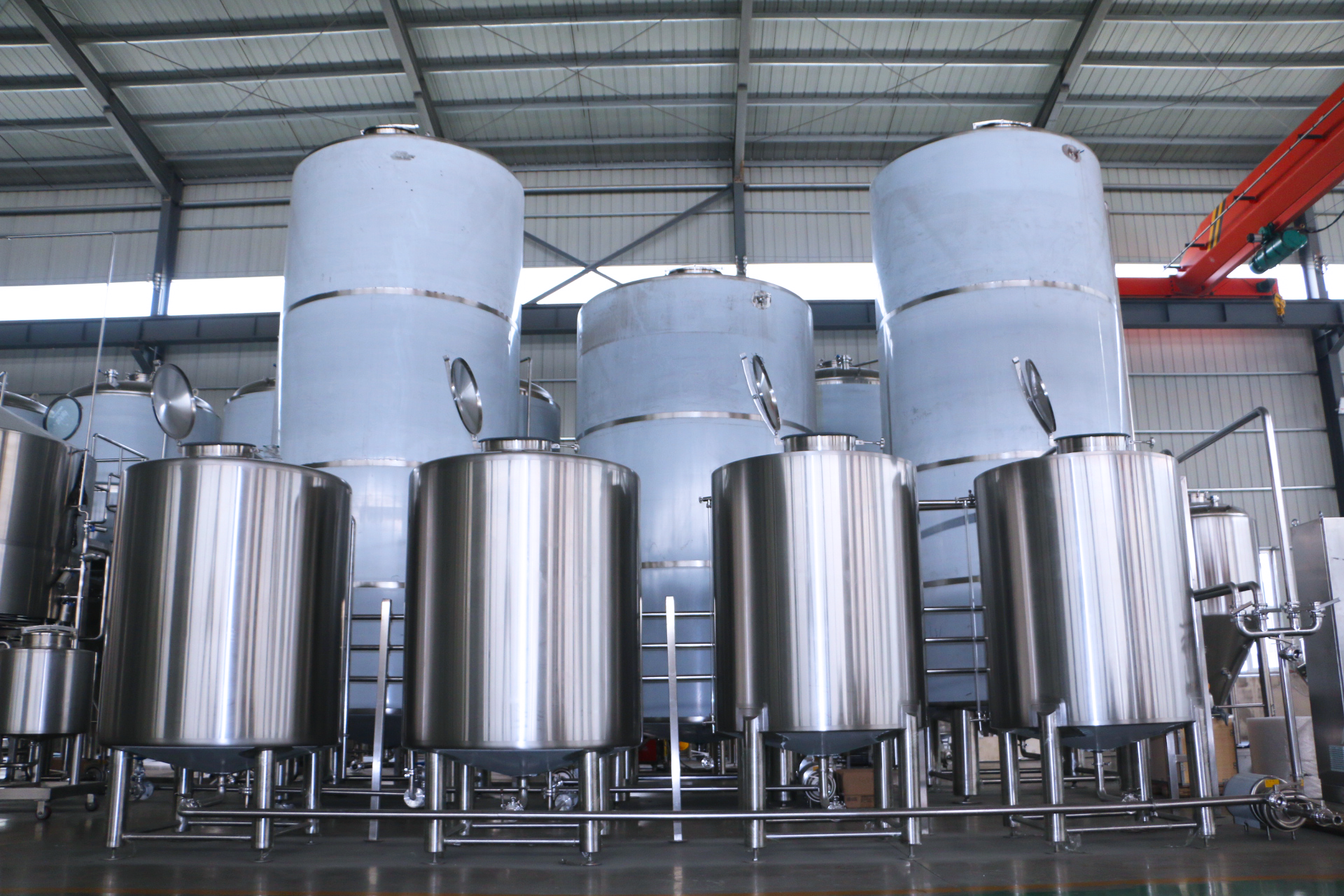

How much does brewing equipment cost? ——
Comprehensive analysis of cost, configuration
and purchasing suggestions
1. The core components of brewing equipment - what do you really need?
Before we talk about the price, let's make one thing clear: brewing equipment is not a single product, but a system customized
according to production capacity, purpose and space. It usually includes the following main parts:
Saccharification system (Mash & Lauter): used for malt saccharification and filtration, which is the core of the entire brewing
process.
Kettle & Whirlpool: used to boil wort, remove impurities and enhance flavor.
Cooling device: including plate heat exchangers, cooling water pumps, etc., used to quickly reduce the temperature.
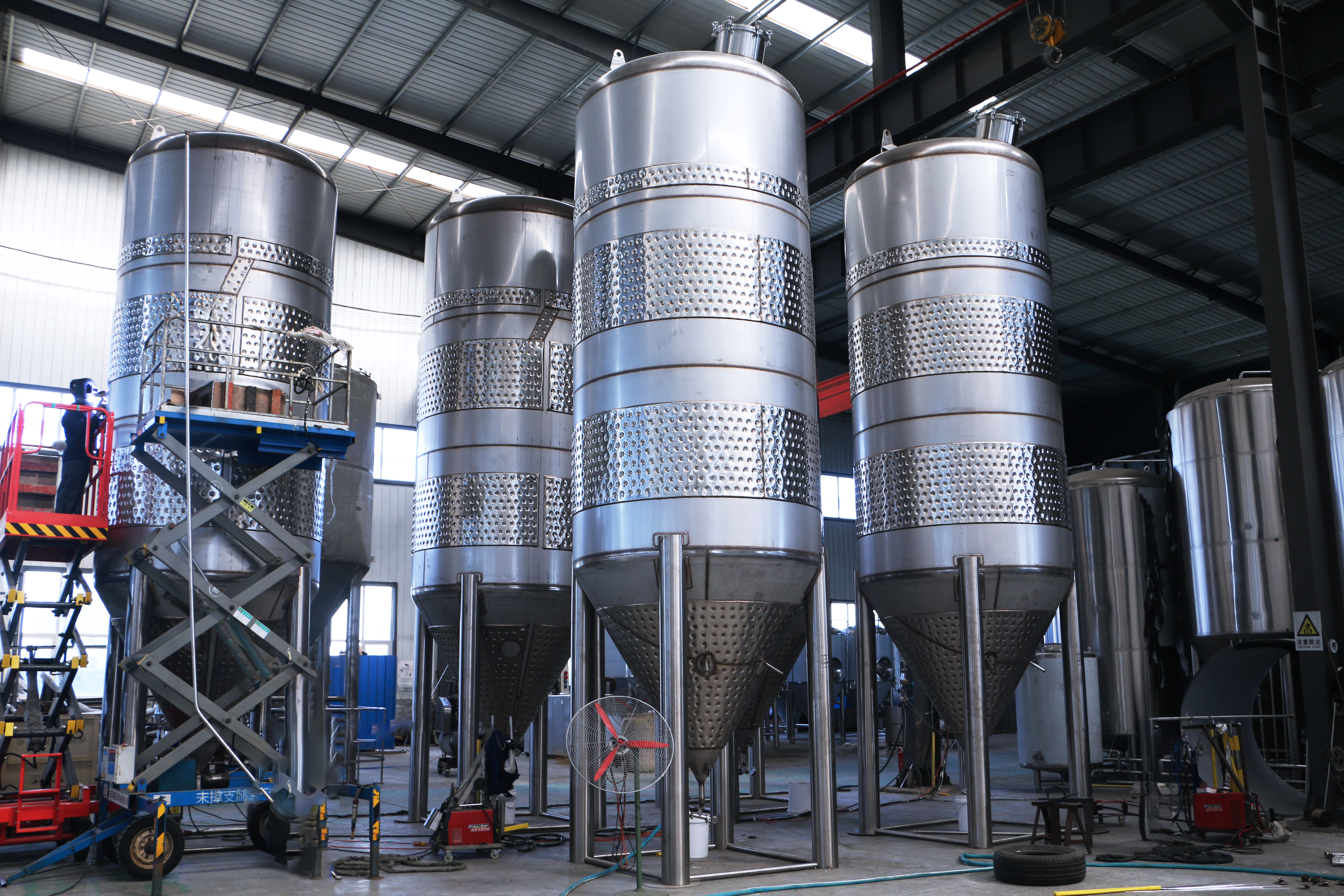
Fermentation system: a system composed of fermentation tanks, control panels, air pressure valves, etc., determines the
flavor and stability of the beer.
Cleaning system (CIP): improves the sanitation efficiency of the equipment and is suitable for commercial operations.
Filling system (optional): used to pack beer into bottles, barrels or cans.
These equipment can be combined into a complete beer brewing machine, or they can be flexibly split according to user
needs.
2. Price range of home brewing equipment: from entry-level kits
to high-end micro systems
1. Entry-level equipment ($100 - $500)
The most basic beer brewing kits usually include fermentation barrels, plastic pipes, stirring rods, bottling tools and
simplified mash pots, suitable for beginners or small-batch home experimenters. The advantages are low cost and simple
operation, and the disadvantages are the lack of temperature control, filtration and other functions, and the equipment is not
accurate.
2. Mid-level equipment ($800 - $2,000)
This level is mainly home brewing equipment, mostly made of stainless steel, equipped with electric heating system,
automatic stirring and LCD control panel. Suitable for home users with certain experience and pursuing flavor and efficiency.
3. High-end equipment ($2,500 - $10,000)
High-end home microbrew systems usually include 2-3 vessel structures, conical fermentation tanks, digital temperature
control instruments, and can even be connected to computer systems for complete automated operation. Suitable for home
brewing studios, small pub test laboratories or craft brewing entrepreneurs.
3. Price structure of commercial brewing
equipment: from entry to industrial scale
Small commercial systems (100L - 500L) are priced between $10,000 and $50,000.
This type of equipment is suitable for restaurants and bars, pilot brewing and start-up craft brands. Recommended equipment
includes standard saccharification systems, conical fermentation tanks and cooling systems, suitable for customers under the
keyword "beer brewing equipment for sale".
Medium commercial systems (500L - 2000L) are priced between $50,000 and $120,000.
This is the configuration used by mainstream craft breweries, supporting batch production, batch control and remote
management. It is scalable and suitable for the needs of rapidly growing brands, and usually includes a complete CIP system
and precision control instruments.
Industrial scale systems (2000L and above) start at $150,000.
For mature enterprises or export-oriented breweries. This type of equipment requires custom design, involving site planning,
power system adaptation, process integration, etc. It is a high-investment and high-capacity project.
4. Core factors affecting the price of brewing equipment
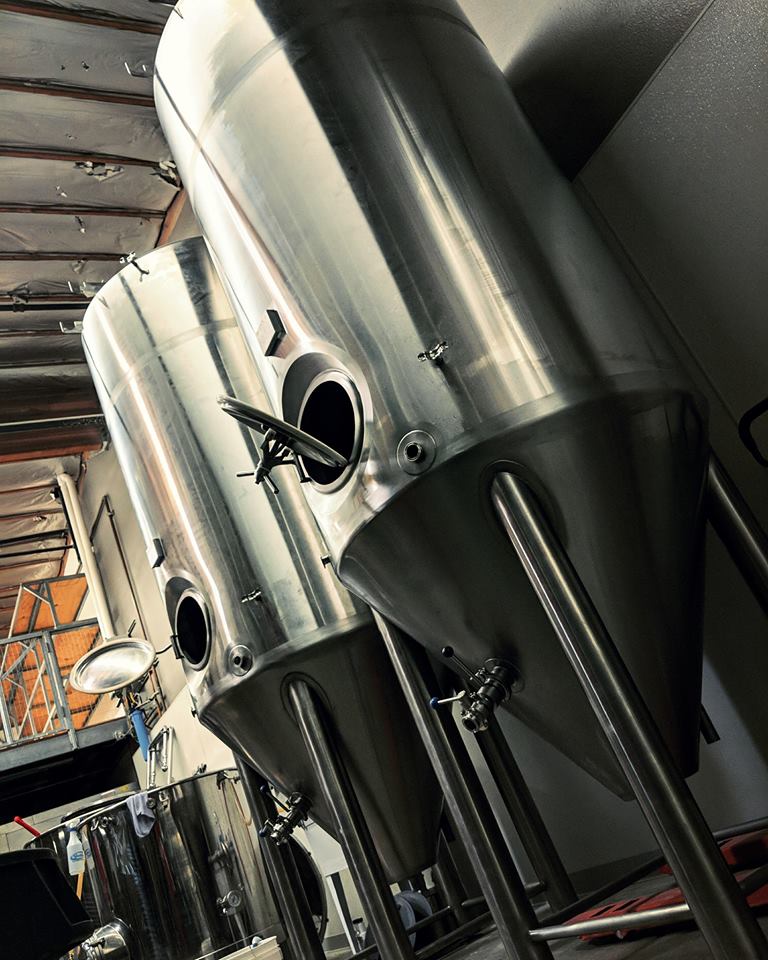
Material and structure: Equipment using food-grade stainless steel (such as SUS304 or SUS316) is expensive but durable and
easy to clean. Plastic or aluminum equipment is mostly used at the entry level, with low cost but not suitable for long-term
use.
Degree of automation: Equipment with automatic temperature control, PLC program control, digital flow meter, etc. will
significantly increase the overall cost, corresponding keywords such as beer brewing machines and automated brewing
system.
Customization requirements: Customized heating methods (such as electric heating, steam heating), number of tanks, and
brand logos will affect the unit price. It is recommended to combine a custom brewery website to showcase your customized
solution, which will help improve conversion rates.
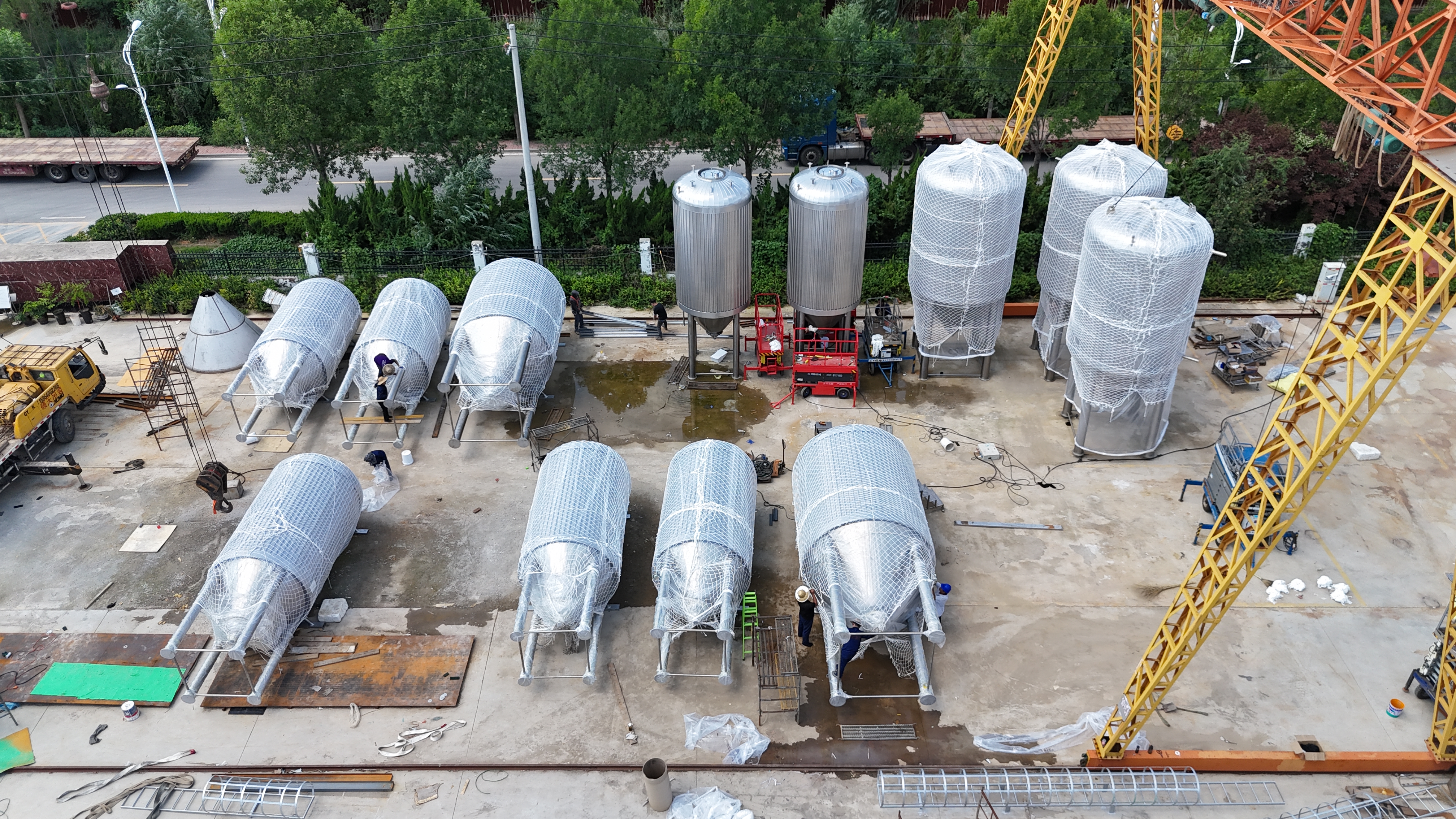
Transportation and installation: The larger the equipment, the higher the transportation and installation costs. Overseas orders
need to consider container size, logistics insurance and tariffs.
5. Is it worth buying second-hand equipment? The selection logic
behind "beer brewing equipment for sale"
Many companies or entrepreneurs choose to search for beer brewing equipment for sale on the platform to obtain more
cost-effective second-hand equipment.
The advantage is low cost, usually 30%-60% cheaper than new equipment, suitable for start-up breweries with limited
budgets or temporary needs.
But you should also pay attention to:
Whether the equipment hygiene meets the standards.
Whether it is complete (such as whether the stirring motor, temperature controller, etc. are missing).
Whether it is adapted to local voltage and food safety standards.
It is recommended to purchase through a certification platform or a reputable B2B supplier, and ensure that after-sales and
warranty services are provided.
6 hidden costs: In addition to equipment, what other expenses are there?
In addition to the core equipment costs, you also need to budget for the following hidden expenses:
First, the cost of site renovation. Including water supply, power supply, sewage, ventilation system construction, and ground
load-bearing renovation.
Second, licensing and compliance fees. Commercial brewing equipment must obtain food business licenses, alcohol
production licenses, etc. before it goes into production.
Third, labor and training costs. Even for automated equipment, brewers or operators need to receive training to ensure
product consistency.
Fourth, packaging and distribution systems. Such as filling lines, labeling equipment, testing instruments, barrel handling
systems, etc.
Fifth, brand and marketing expenses. Including official website construction, social media operations, product photography,
etc., it is recommended to combine a high-conversion custom brewery website to promote sales.
VII. Practical case sharing: three users' purchasing decisions and returns
Case 1: German enthusiasts' home upgrade plan
This craft beer enthusiast initially used a set of plastic beer brewing kits priced at $200 to get started, and later upgraded to a
set of $3,000 home brewing equipment, including a 3 vessel system, Bluetooth temperature control module and professional
cooling pipes. Now brew a batch of IPA every week for small gatherings, with good cost control.
Case 2: Commercial layout of a Belgian tavern
A Belgian tavern owner purchased a custom brewing system worth 46,000 euros, including 500L saccharification equipment,
conical fermentation tanks and self-branded LOGO design, and established an online ordering system through a professional
custom brewery website. The first-year production capacity reached 8000L, and the annual sales growth rate was as high as
80%.
Case 3: Trial plan for a start-up craft beer brand in the United States
Two craft beer enthusiasts spent $20,000 on Craigslist to buy a set of second-hand beer brewing equipment for sale. After 3
months of maintenance and debugging, it was put into production. In the first year, it entered the local farmer's market and
signed contracts with 3 bars, successfully opening up the niche market.
The above three cases are all brewing equipment purchased from tonsen, and tonsen provides technical support and market
planning for these customers at any time. According to the local market conditions of customers, they select suitable
equipment for customers, reduce customers' investment economically, increase customers' sales, and obtain a high return on
investment for customers.
8. Summary: Equipment investment suggestions for different goals
If your goal is to get started with interest, it is recommended to purchase basic beer brewing kits with a price between $100
and $500;
If you are an advanced home user, you can consider home microbrew systems between $1,000 and $10,000;
If you plan to start a business and open a pub, the budget is recommended to be between $10,000 and $50,000 to purchase
standard beer brewing equipment;
And if you are preparing to do commercial brewing for export or local mass production, it is recommended to invest more
than $50,000 and configure a full set of beer brewing machines to achieve automation and scale production.
Ultimately, the choice of brewing equipment depends not only on the budget, but also on your business model, capacity
planning and brand vision. Whether you are purchasing new equipment or looking for a solution that suits you through the
keyword "beer brewing equipment for sale", a clear equipment configuration plan plus a matching custom brewery website
will greatly improve your market competitiveness and sales efficiency.