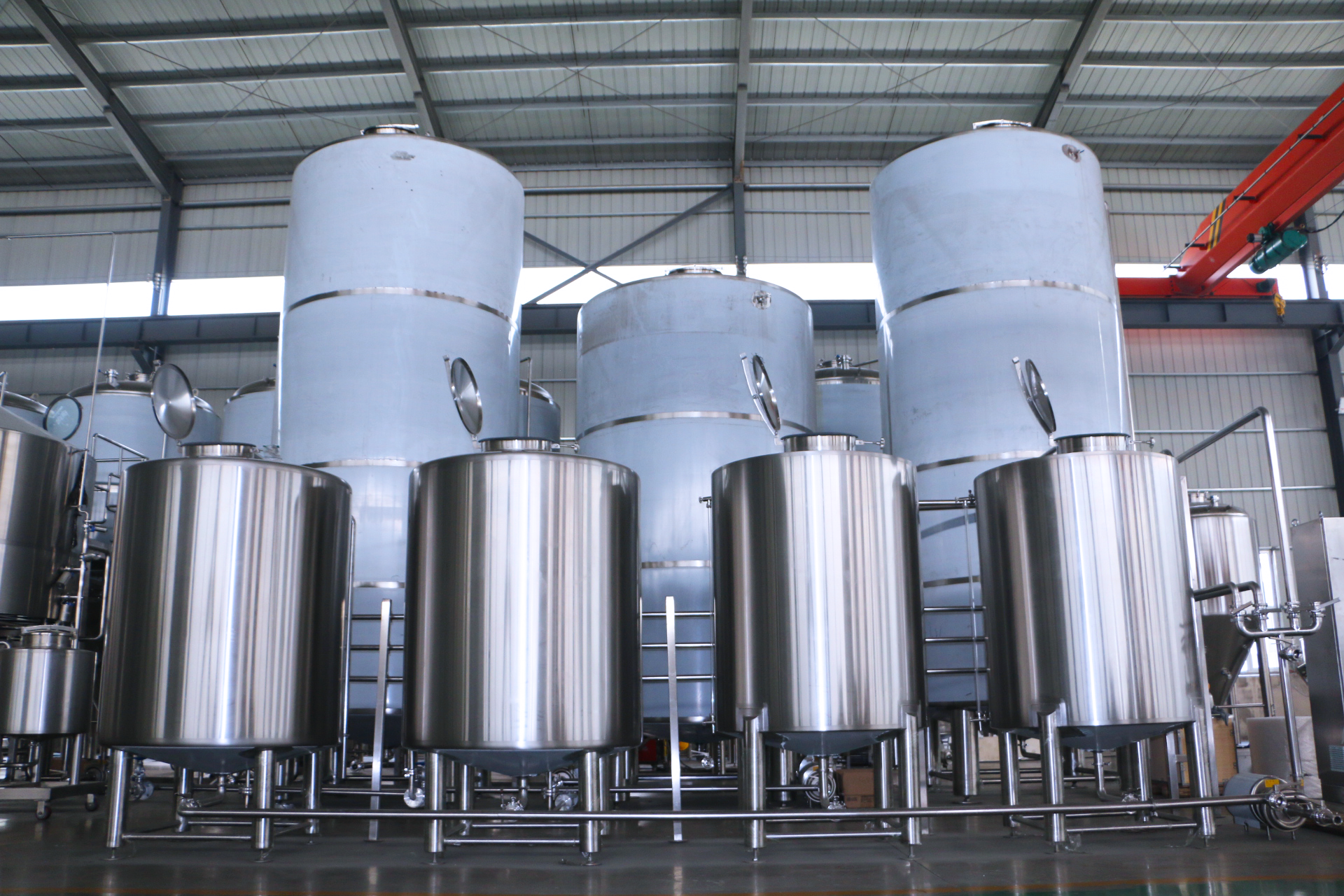

How does a fermentation machine work? The whole process
of modern fermentation system revealed
1. What is a fermentation machine?
A fermentation machine is a device specially used for automatic control of the fermentation process. It enables
microorganisms (such as yeast, lactic acid bacteria, etc.) to work in a safe and stable environment through precise management
of key environmental parameters such as temperature, pressure, and gas exchange, thereby achieving standardization of
product flavor and quality. Compared with the traditional fermentation crock or fermentation pot, the fermentation machine
not only achieves high-precision temperature control and timing operation, but also integrates gas exhaust systems such as
airlock for fermentation to ensure that the entire fermentation process is not polluted by the outside world. Generally
speaking, the selection of fermentation equipment uses stainless steel 304 or 316 series, which not only ensures the safety of
the fermentation equipment, but also saves energy and ensures the effectiveness of production.
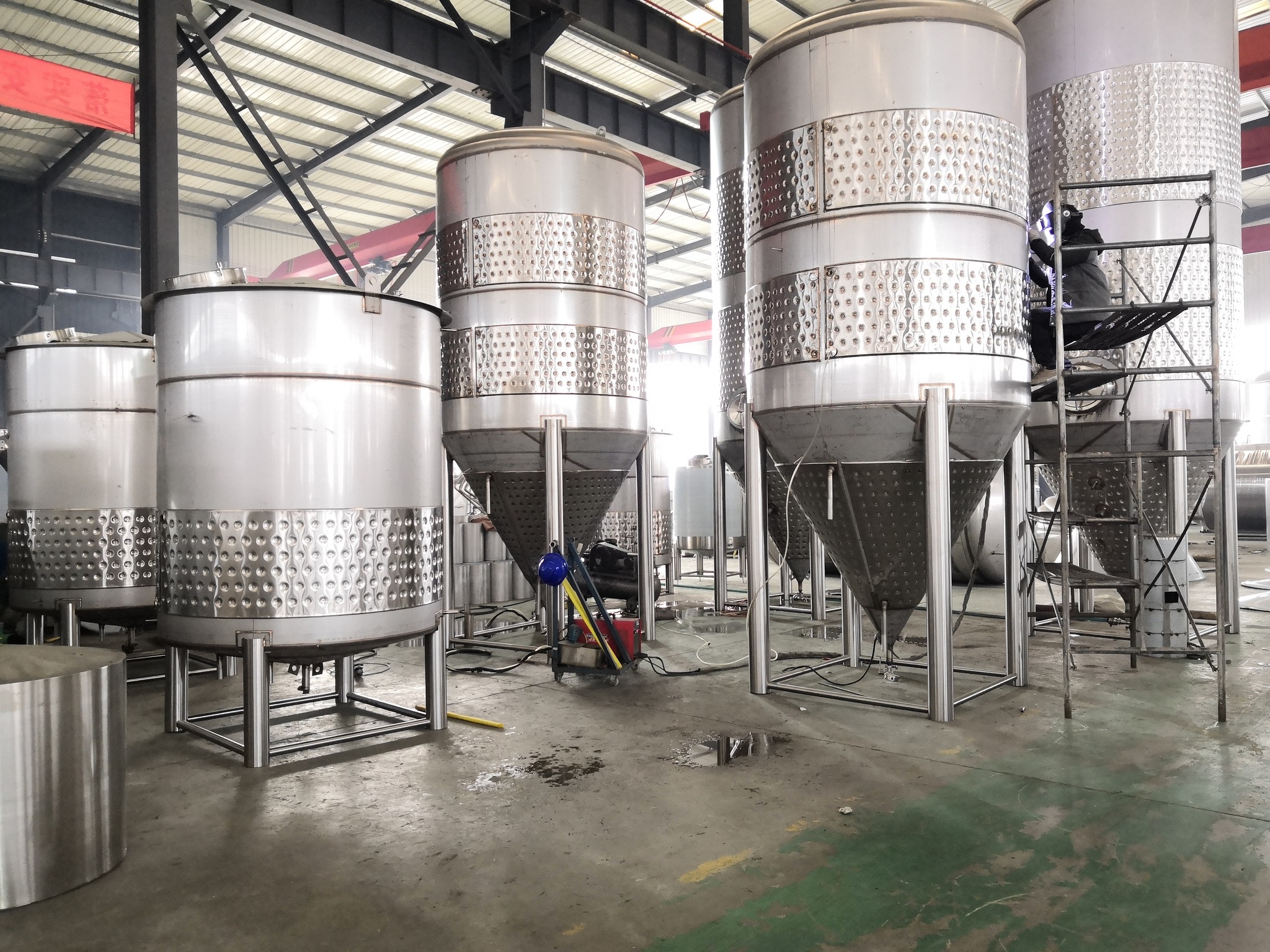
2. Working principle of the fermentation machine
Modern fermentation machines mainly work based on the following aspects, each of which is key to improving the quality of
the final product:
Temperature control system
Microorganisms grow most vigorously between about 20°C and 30°C. The fermentation machine has a built-in heating or
cooling system that can stably control the temperature in the tank within the set range, ensuring accurate and stable
fermentation in applications such as wine fermenting or fermentation machine for kombucha. Therefore, the fermentation
equipment is good enough for brewing beer and has a high audience.
Gas management and exhaust system
A large amount of carbon dioxide is produced during the fermentation process. Equipped with a dedicated fermentation
airlock system, it can achieve one-way gas discharge, prevent oxygen backflow, reduce flavor loss caused by oxidation, and
protect product quality well.
Pressure regulation and sealing technology
Some high-end fermentation machines use a fermentation conical structure with a conical bottom design, which not only help
s to accelerate the sedimentation of residues, but also can perform appropriate pressure control in a sealed state, improve
overall fermentation efficiency and product consistency. This technology provides very favorable conditions for brewing beer,
ensuring the stability of brewing and the taste of beer at the same time.
Automated control and multi-stage fermentation
Users can preset the temperature and duration of different fermentation stages, and the system automatically performs
regulation and control, reducing human intervention, so as to achieve continuous and batch stable production effects. This
automation mode is very suitable for commercial production and is also favored by home fermentation users who want to
improve the quality of home brewing.
Continuous monitoring and feedback adjustment
Fermentation machines are usually equipped with temperature probes, pressure sensors and pH probes to monitor the
fermentation environment in real time. When an abnormality is detected, the alarm or adjustment program can be
automatically activated to provide scientific protection for the entire fermentation process.
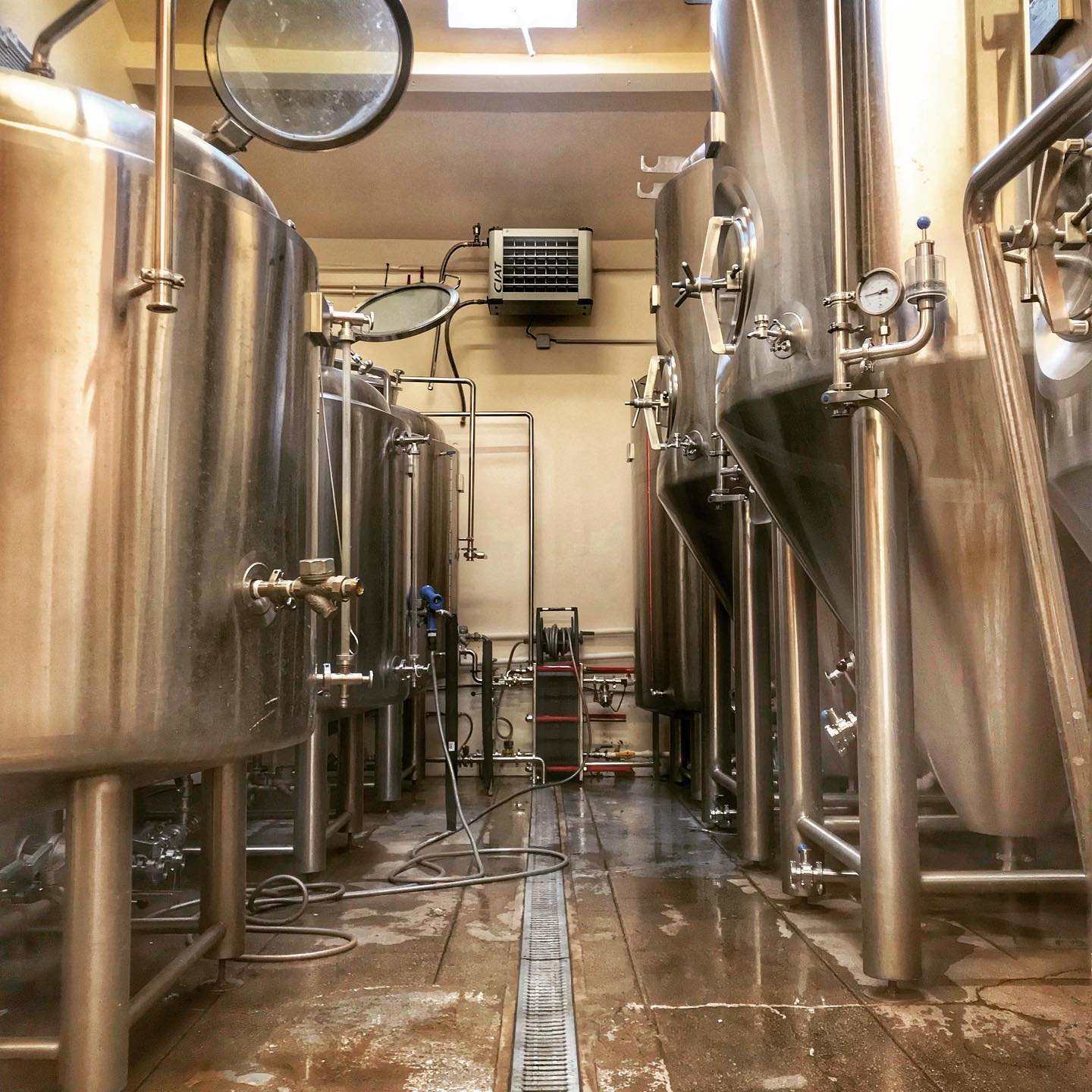
3. The main structural components of the fermentation machine
Modern fermentation machines are composed of multiple components, and each part works together to ensure a smooth
fermentation process:
Tank: mostly made of food-grade stainless steel, with excellent corrosion resistance and pressure resistance; some models
also use a conical bottom design to help solid residues settle and facilitate cleaning.
Electronic controller: used to set and monitor fermentation parameters (temperature, duration, pressure) to ensure automatic
operation.
Exhaust system (Airlock): also known as fermentation airlock, designed for one-way release of carbon dioxide to prevent air
from entering.
Temperature and pressure sensors: real-time monitoring of environmental data, and feedback to the control system to ensure
stable fermentation conditions.
Cleaning interface: such as CIP (cleaning in place system) interface, which is convenient for automated cleaning and
maintenance to ensure hygiene.
Compared with traditional fermentation crock or fermentation pot, modern fermentation machines have obvious advantages
in various performance parameters, especially in automatic control and data monitoring.
4. Application scope of fermentation machines
Modern fermentation machines are widely used in many fields due to their precise control and high stability, mainly including:
Fermented Tea (Kombucha and other fermented drinks)
Through precise temperature control and gas management, the tea aroma and probiotics in the fermentation process can be
perfectly preserved, greatly improving the flavor and health benefits of the product.
Wine Fermenting
High-end wineries use fermentation machines with automatic temperature control and pressure regulation functions to
ensure that the wine tastes more delicate and has richer flavor levels.
Food fermentation
Including the production of traditional fermented foods such as yogurt, kimchi, and soy sauce, automated equipment not only
improves fermentation efficiency, but also ensures product consistency and hygiene standards.
Home and small commercial brewing
There are many products on the market for Home fermentation users. Such equipment is usually of moderate size and easy to
operate, which can meet the needs of small batch and personalized brewing.
Fermentation experience area and fermentation lounge application
More and more creative restaurants and experience stores use the fermentation process as exhibition content, and attract
consumers to experience interaction and brand stories by showing the working principle of the fermentation machine on site.
V. Analysis of the advantages of fermentation machines over
traditional equipment
Compared with the traditional fermentation crock or fermentation pot, modern fermentation machines have the following
obvious advantages, which are also the main reasons why many families, businesses and factories choose to upgrade their
equipment:
Precise temperature control: The fermentation machine can keep the temperature within a strictly set range, so that the
microbial activity is always in the best state, while traditional equipment can only rely on ambient temperature and
fluctuates greatly.
Automatic exhaust function: The built-in airlock for fermentation can efficiently remove excess CO₂, prevent rancidity and
contamination, and improve product safety and flavor stability.
Automated monitoring: Data sensing and electronic control can adjust fermentation parameters in real time to ensure that
each batch of products meets consistent standards and reduce human errors.
High hygiene standards: Closed systems and automatic cleaning systems (such as CIP) can better ensure product hygiene and
reduce the risk of cross-contamination.
Easy to operate: Preset programs eliminate the need for frequent user intervention, suitable for continuous production, and
improve overall efficiency.
These advantages not only make the equipment more competitive, but also bring tangible economic benefits and product
quality improvement to users.
6. Practical suggestions for purchasing fermentation machines
When purchasing a fermentation machine, you need to consider multiple factors to ensure that the product you purchase truly
meets production needs. The following suggestions are particularly critical:
Fermentation capacity selection
Home equipment is generally 1L to 10L; commercial use may require 50L, 100L or even larger fermentation tanks. Choose
according to actual output and space conditions.
Functional configuration
Please confirm whether the equipment integrates core functions such as fermentation airlock system, temperature control
module, and pressure regulation. For users who pursue high-quality products, it is recommended to choose a fermentation
machine with a full set of automatic control functions.
Material and safety standards
When purchasing, food-grade stainless steel products should be given priority, which can ensure safety and hygiene under
long-term use. At the same time, check whether the equipment has FDA, CE and other certifications to ensure product
quality.
Purchase intention keywords
When searching, you can use keywords such as "fermentation machine for sale" and "buy fermentation crock online". This
will help you quickly lock in the model that meets your needs among many products.
After-sales service and maintenance
High-quality manufacturers usually provide detailed after-sales support, equipment debugging and technical training. It is
recommended to choose brands that provide global delivery and multilingual support to ensure timely technical assistance
during subsequent use.
Whether it supports multiple applications
Choose a suitable model according to your production project (such as fermented tea, wine fermentation, or yogurt production
). Multifunctional equipment can meet diverse needs and improve equipment utilization.
VII. Real user feedback and case sharing
Successful cases in actual applications can provide you with intuitive reference. The following cases show the application
results of fermentation machines in different fields:
A fine brewery in Hamburg, Germany, replaced traditional equipment with fully automatic fermentation machines, and the
product consistency increased by nearly 40%, the flavor between batches was stable, and human intervention was reduced.
Mark, a home user in Toronto, Canada, used a traditional fermentation pot to make homemade wine, but was troubled by
unstable temperature control. Later, after upgrading to an intelligent fermentation machine, the taste of each batch of wine
was more balanced, and he successfully held many family wine tastings.
A healthy beverage brand in Sao Paulo, Brazil, uses fermentation machines to produce fermented tea, achieving full
automation from raw material mixing to automatic exhaust, and significantly improving product quality and production
efficiency.
The customers in these cases all purchased fermentation equipment from tonsen. Whether it is commercial brewing or home
handmade, the fermentation machines produced by tonsen can bring significant advantages and meet the dual requirements
of high quality and high efficiency.
8. Global market trends and search hot word insights
Recent Google search and Google Ads data show that the search volume of the following keywords is steadily increasing,
showing that users continue to pay attention to the demand for fermentation equipment:
Long-tail keywords:
how to use a fermentation machine、fermentation machine for kombucha、fermentation machine for sale
Purchase intent keywords:
buy fermentation crock online、fermentation machine for sale
Other related hot keywords:
fermentation airlock、fermentation conical、fermentation tanks
These data show that both commercial users and home brewers hope to find fermentation equipment that is both automated
and cost-effective, thereby continuously promoting market technology upgrades.
IX. Conclusion
Fermentation is an ancient and fascinating biological process, and modern fermentation machines are the key to improving
product quality and efficiency with their precise, automatic and hygienic features. Whether you want to master the
production of fermented tea, brew fine wine, or build a fermentation lounge that combines display and production, a
high-quality fermentation machine will greatly change your production methods.
Through this article, we not only explore the working principle, structural composition and key advantages of the
fermentation machine, but also provide purchase suggestions and real application cases to help you understand how to make
the right choice in the fierce market competition.
If you are looking for a fermentation machine with excellent performance and intelligent design, and hope to improve product
ion efficiency and product quality, please check out our detailed product information.
Looking for a fermentation machine? Contact us for a quote!