

A Complete Guide to Beer Brewing Equipment Installation and Maintenance
Installing and maintaining a complete beer brewing system is one of the most critical steps in ensuring consistent beer quality and long-term efficiency for breweries of all sizes. Whether you are setting up a microbrewery, a craft beer factory, or scaling up a commercial brewing plant, proper installation and regular maintenance of your brewery equipment and fermentation tanks will directly impact both production performance and product quality.
Understanding Complete Brewing Systems
A complete brewing system generally includes several core components:
Brewhouse equipment: mash tun, lauter tun, kettle, and whirlpool.
Fermentation equipment: conical fermenters, unitanks, and bright beer tanks.
Cooling system: glycol chillers, heat exchangers, and piping.
Control system: automation for temperature, pressure, and flow regulation.
Cleaning equipment: CIP systems for sanitizing tanks and pipelines.
Each component has a critical role, and correct installation ensures smooth operation. For example, improper pipe connections in glycol cooling lines can lead to unstable fermentation, while poor tank alignment can affect pressure balance in a fermentation tank.
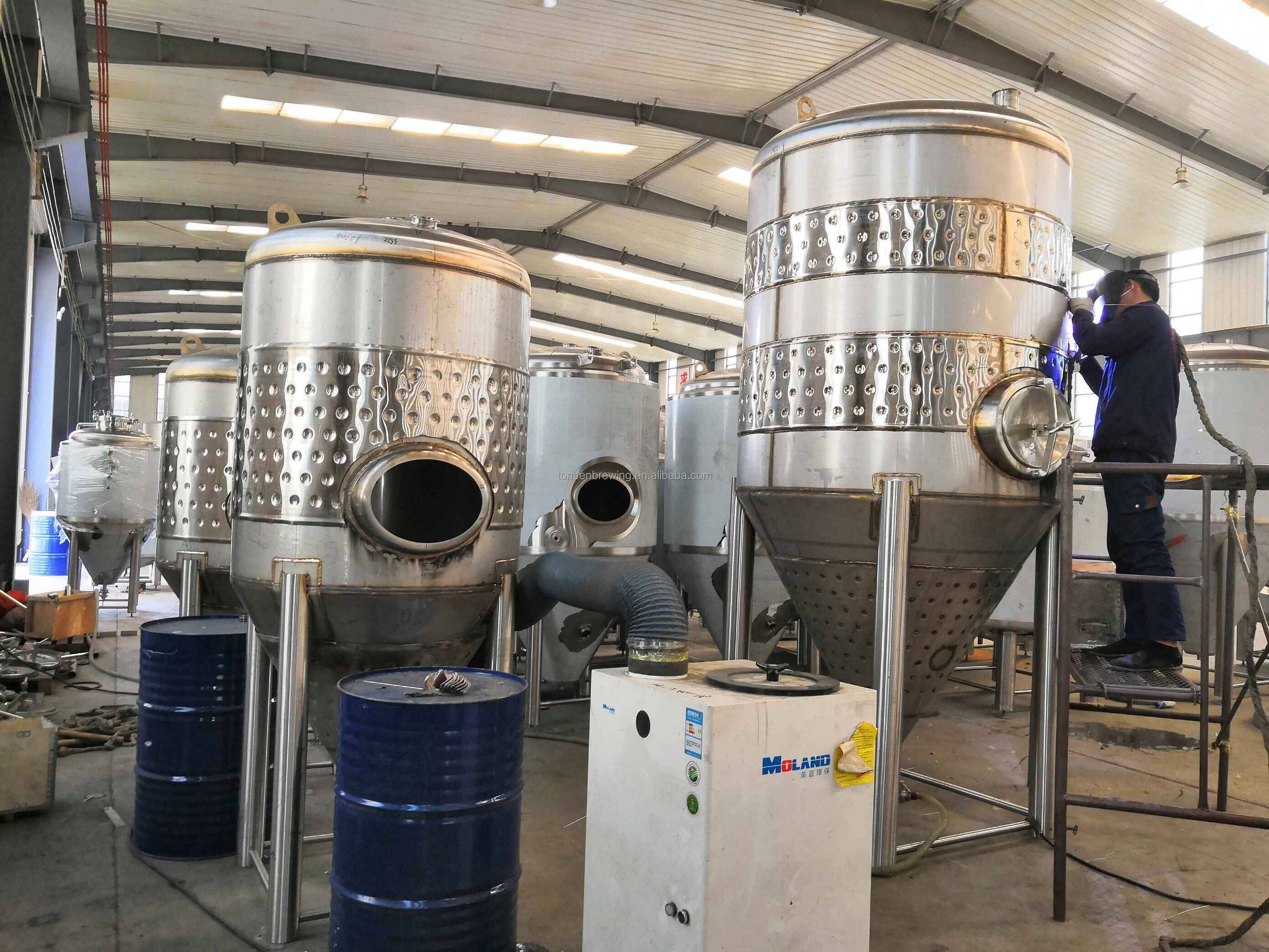
Installation of Brewery Equipment
Professional installation is essential to guarantee safety, efficiency, and compliance with brewing standards. The installation process usually follows these steps:
Site Planning and Layout
Before installing, the brewery space must be carefully designed. Engineers consider floor drainage, electrical supply, ceiling height, and tank positioning.Equipment Delivery and Positioning
Once the beer brewing equipment arrives, tanks and brewhouse vessels are positioned according to the brewing flow. Correct alignment helps minimize energy loss and ensures a logical production line.Piping and Utility Connections
Steam lines, water supply, cooling glycol pipes, and compressed air systems must be connected precisely. Every connection should be pressure-tested to avoid leakage.Electrical and Control Systems
Brewing systems often come with advanced PLC automation panels. Proper wiring and programming are essential to monitor brewing parameters like temperature and flow rates.Initial Testing and Commissioning
After installation, brewing trials are conducted to ensure that each part of the complete brewing system operates under optimal conditions.
Maintenance of Brewing and Fermentation Equipment
Once the installation is complete, regular maintenance guarantees efficiency and longevity of the equipment. Key areas include:
Cleaning and Sanitation: Tanks, hoses, and fittings should be cleaned using CIP systems after each batch to avoid contamination.
Preventive Maintenance: Checking pumps, valves, and gaskets prevents unexpected downtime.
Fermentation Tank Monitoring: Pressure relief valves, cooling jackets, and temperature probes require regular inspection.
Spare Parts Management: Having essential brewing spare parts like seals, clamps, and sensors in stock minimizes production delays.
Importance of Spare Parts and Upgrades
Over time, some components of your brewery will need to be replaced or upgraded. For example:
Gaskets and seals may wear out due to constant cleaning.
Sensors and controllers may need calibration or replacement.
Pumps and agitators may require mechanical servicing.
Using high-quality brewery spare parts ensures reliability and keeps your beer fermentation tanks working at their best.
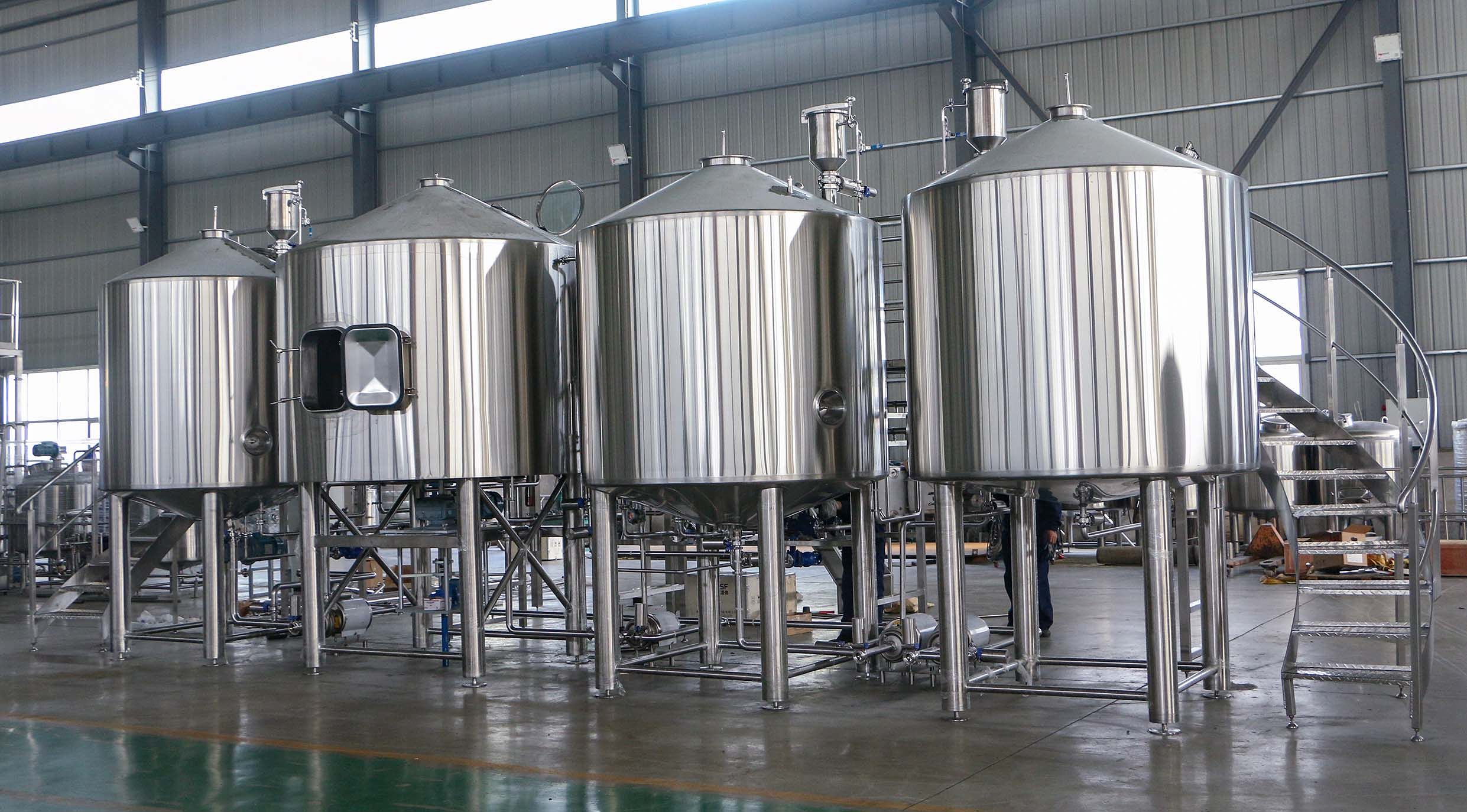
Professional vs. Home Brewing Systems
While home brewing equipment and beer making machines at home offer an easy entry into brewing, professional breweries require robust, stainless steel beer brewing equipment designed for scalability. The complexity of installation and maintenance in a commercial setup highlights why expert guidance is crucial.
Conclusion
A complete brewing system is more than just tanks and kettles; it is an integrated setup that requires proper installation, careful maintenance, and timely upgrades. From brewhouse equipment to fermentation tanks and spare parts, every detail contributes to consistent beer quality and operational efficiency.
For breweries planning expansion or optimization, working with professional brewery equipment suppliers ensures that your investment delivers long-term value.