

Beer alcohol content is usually expressed as ABV, which is the proportion of alcohol to the total volume of beer. The level of alcohol content mainly depends on the efficiency with which maltose is converted into alcohol by yeast.
1.Higher sugar content → greater alcohol potential after fermentation
2.Longer fermentation time → more opportunities for yeast to consume sugar
3.Yeast health → directly affects alcohol production
- 1.Initial fermentation stageDuring the first 1–3 days of fermentation, yeast is active, sugar is converted rapidly, and alcohol content rises quickly.
- 2.Middle fermentation stageFrom 3–10 days of fermentation, the rate of alcohol production gradually slows down, but sugar conversion continues.
- 3.Late fermentation stageAfter more than 10 days of fermentation, residual sugar is limited, and alcohol content tends to stabilize. If yeast remains active, alcohol content can increase slightly, but the effect is minimal.
Longer fermentation time generally leads to higher alcohol content, provided that yeast health and suitable temperature are maintained; otherwise, alcohol production efficiency will decrease.
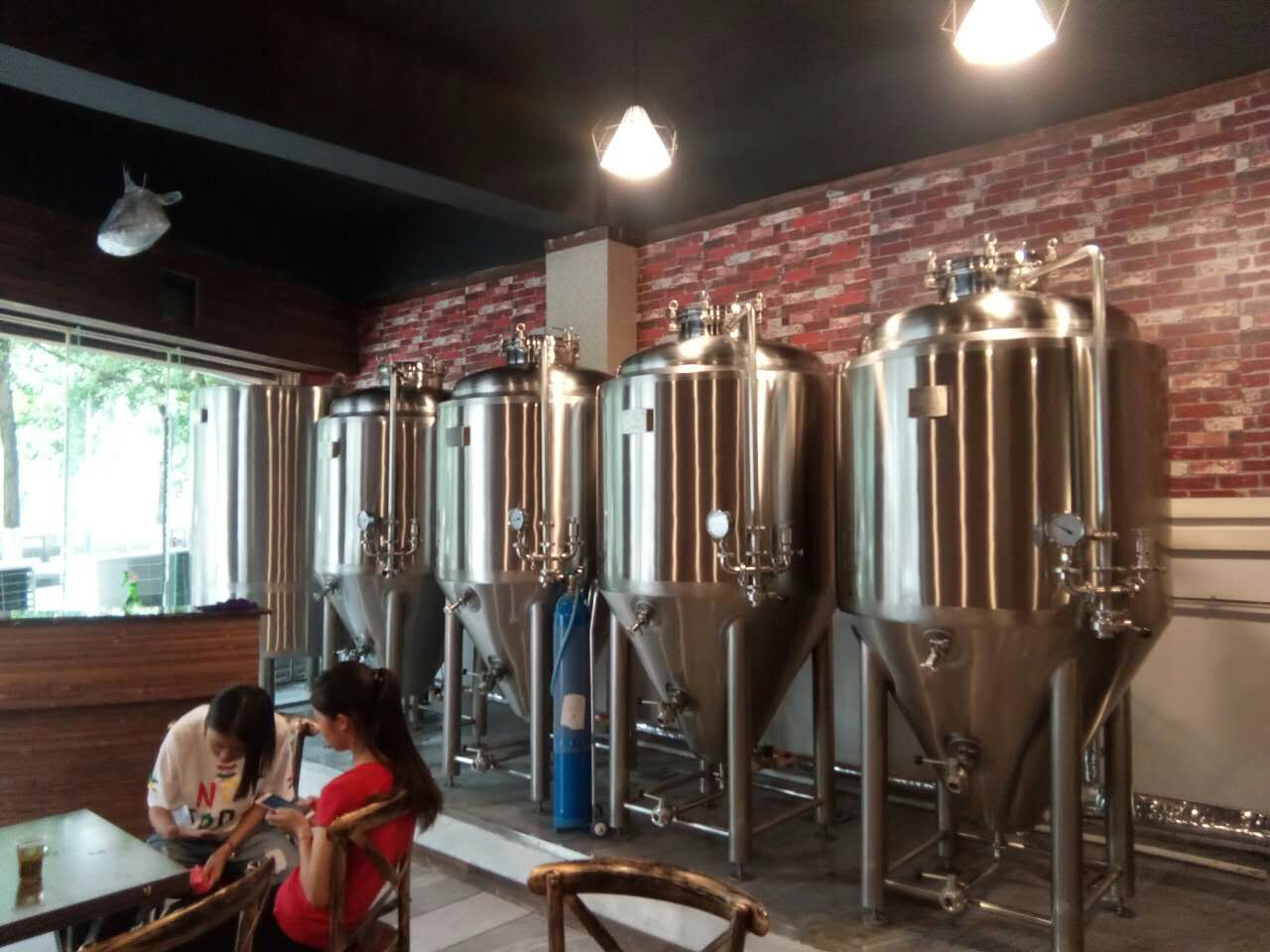
Fermentation cycles of different beer types
| Beer Type | Fermentation Time | Alcohol Content (ABV) | Description |
|---|---|---|---|
| Lager | 2–3 weeks | 4–5% | Low-temperature slow fermentation, crisp taste |
| Ale | 1–2 weeks | 5–7% | High-temperature fast fermentation, rich aroma |
| Strong Beer | 4–8 weeks | 8–12% | High sugar content, requires long fermentation |
How to choose suitable beer fermentation equipment
Fermentation performance and alcohol content are also directly related to equipment. Home or small-scale brewers should choose fermentation equipment with precise temperature control and good sealing. For enterprises or craft beer bars, selecting fermentation tanks from reliable beer brewing equipment manufacturers ensures stable fermentation and controllable alcohol content.
1.Temperature-controlled fermenter: controls fermentation temperature and improves alcohol production efficiency
2.Automatic monitoring system: real-time monitoring of sugar and alcohol content
3.High-quality materials: prevents bacterial contamination and ensures beer flavor
4.CIP automatic cleaning: eliminates cross-contamination and confined space risks
Methods to increase beer alcohol content
1.Increase maltose or auxiliary sugar
2.Extend fermentation time, but avoid over-fermentation
3.Maintain yeast activity and suitable temperature
4.Use high-quality brewing equipment
By properly controlling fermentation time and using suitable beer equipment, both home brewers and commercial brewers can produce beer with a mellow taste and appropriate alcohol content. As a professional beer brewing equipment manufacturer, Tonsen is ready to answer any brewing-related questions.